
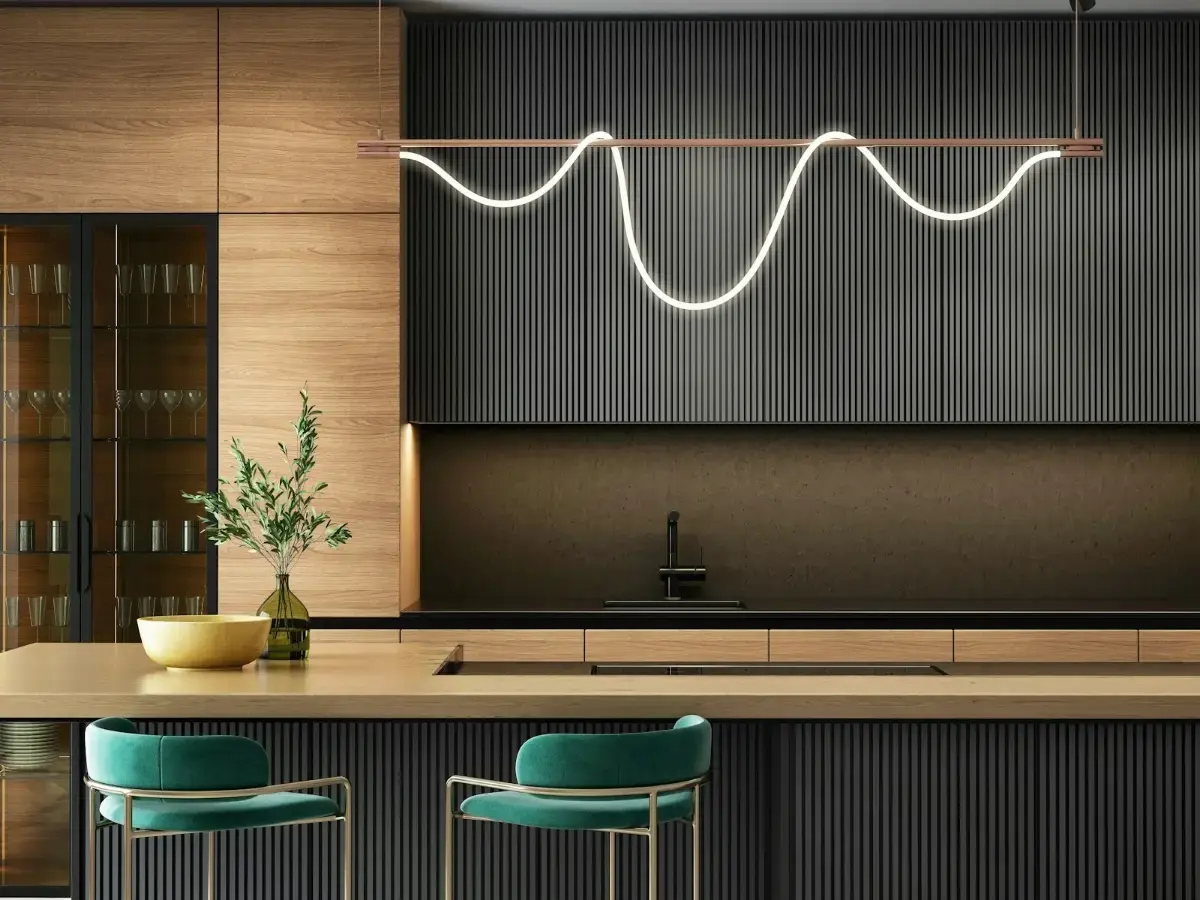
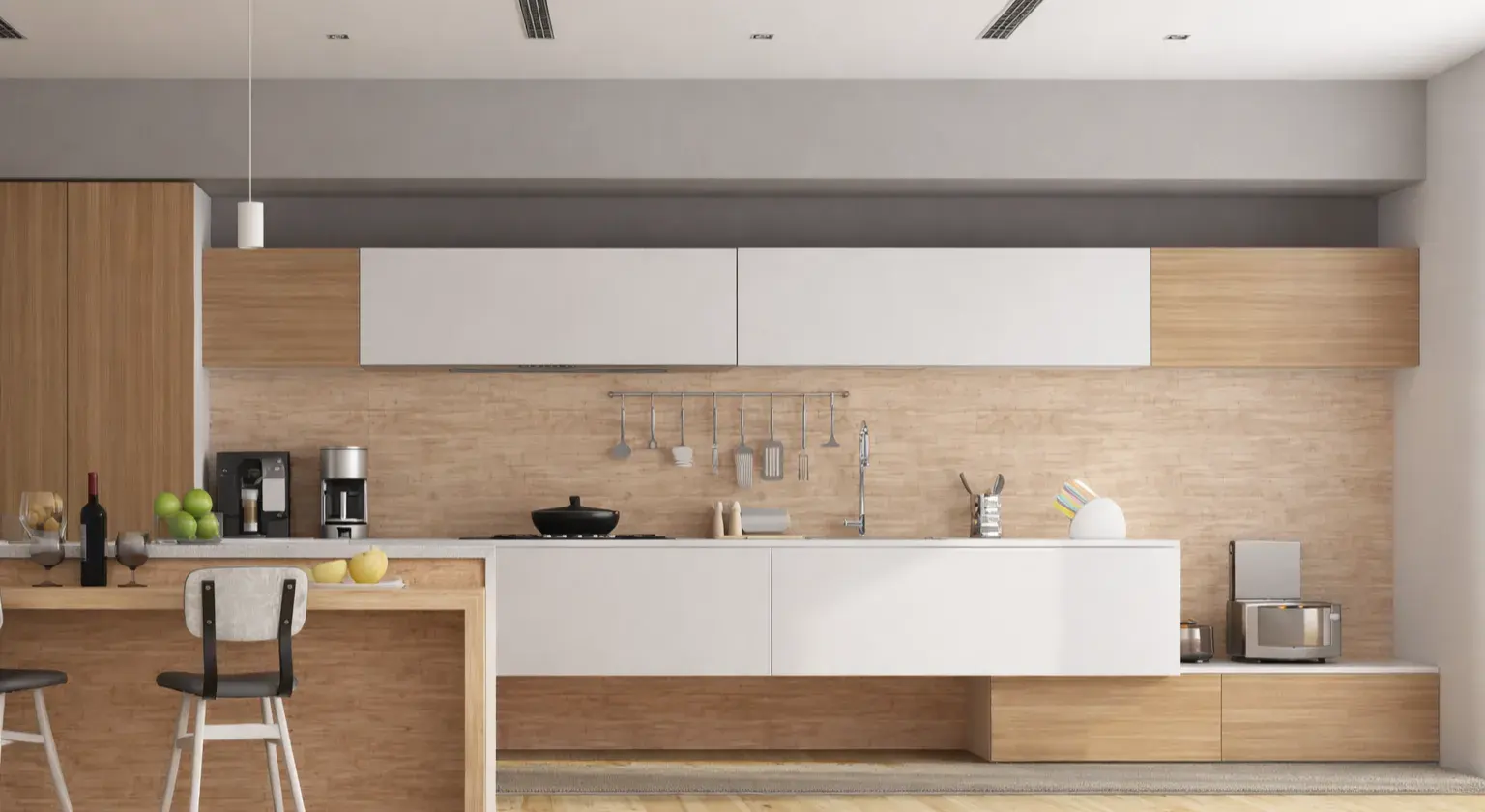
A modular kitchen is not one environment. The cabinet under the sink sees splashes, leaks and wet utensils; the wall cabinet above the hob sees heat and steam; the tall pantry unit sees neither but carries weight on long shutters. Specifying one board for the whole kitchen either wastes money in the dry zones or puts the wrong material where water is.
Think in zones, not in rooms
Before choosing materials, mark the plan into zones by exposure. The table below shows a common way to do it, with the board types typically considered for each. It is a starting point for discussion with your fabricator, not a rule.
| Zone | Exposure | Boards typically considered | Detailing notes |
|---|---|---|---|
| Sink base unit | Wet — splashes, leaks | BWP plywood, HDHMR | Seal all edges; aluminium or laminate base liner; raised legs |
| Base units beside sink / dishwasher | Wet to humid | BWP plywood, HDHMR, HMR | Edge-band immediately after cutting |
| Hob and cooking base | Humid, heat | HDHMR, HMR, BWP plywood | Keep a heat gap; follow appliance clearances |
| Wall cabinets | Humid (steam) | HMR, HDHMR, MR plywood | Lighter boards ease wall fixing |
| Tall / pantry units | Dry to humid | HDHMR, MR plywood, prelam | Long shutters need stiffness and good hinges |
| Painted or profiled shutters | Depends on zone | Interior MDF (dry zones), HDHMR (humid zones) | Seal edges before painting |
| Shelves and dividers | Varies | Match the carcass board | Check spans to avoid sag |
The carcass: where moisture resistance matters most
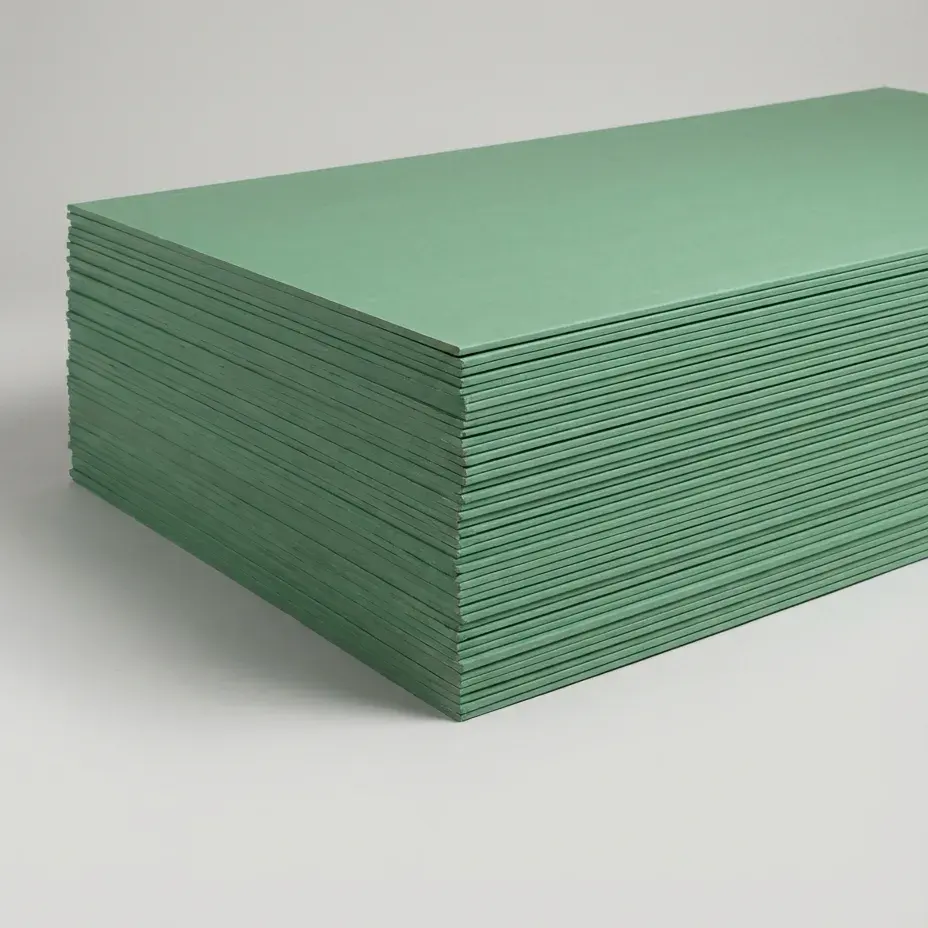
Most kitchen failures start at the carcass bottom and side panels near the sink, where water sits on edges. This is where BWP plywood or a high-density moisture-resistant board such as HDHMR is usually specified. Away from the wet side, Moist Master HMR is commonly used for carcasses that will be laminated.
Shutters: finish first, then board
Shutter choice is usually driven by the finish. Laminated shutters work on HDHMR, HMR or plywood. Painted, PU or lacquered shutters generally need the smooth face of MDF or HDHMR. In a humid kitchen, a moisture-resistant core is the safer base for painted work; interior MDF is better kept for dry zones. Heavy tall-unit shutters benefit from a dense board that holds hinge screws firmly.
Typical thicknesses
- Carcass sides, tops and bottoms: commonly 16–18 mm.
- Back panels: commonly thin boards in the 6–9 mm range, depending on design.
- Shutters: commonly 16–19 mm, chosen to suit the hinge and handle system.
- Shelves: match the carcass, or go thicker for long spans.
Confirm against the thicknesses actually listed for your chosen board — for example HDHMR is listed at 16.75 and 18 mm among other options, Moist Master at 9, 12 and 18 mm, and Duroply BWP at 9, 12 and 19 mm. Our MDF thickness guide covers the thinner boards in more detail.
Detailing that protects any board
- Edge-band every cut edge, including hidden ones inside the carcass.
- Use a liner or tray under the sink and seal around plumbing cut-outs.
- Raise base units on legs with a removable plinth so floors can be mopped without soaking panels.
- Laminate both faces of carcass panels to balance the board and close the surface.
- Leave ventilation gaps behind built-in appliances.
From zones to a material list
Once zones are marked, list panels by board and thickness, estimate the number of 8 × 4 ft sheets with the Sheet Quantity Helper, and send the list through the Requirement Builder for a price.
For a project view of the same choices, see the kitchen materials page; the plywood, MDF & HDHMR and Moist Master HMR pages list the grades and thicknesses Ananta supplies.
Kitchen boards in the Ananta catalogue
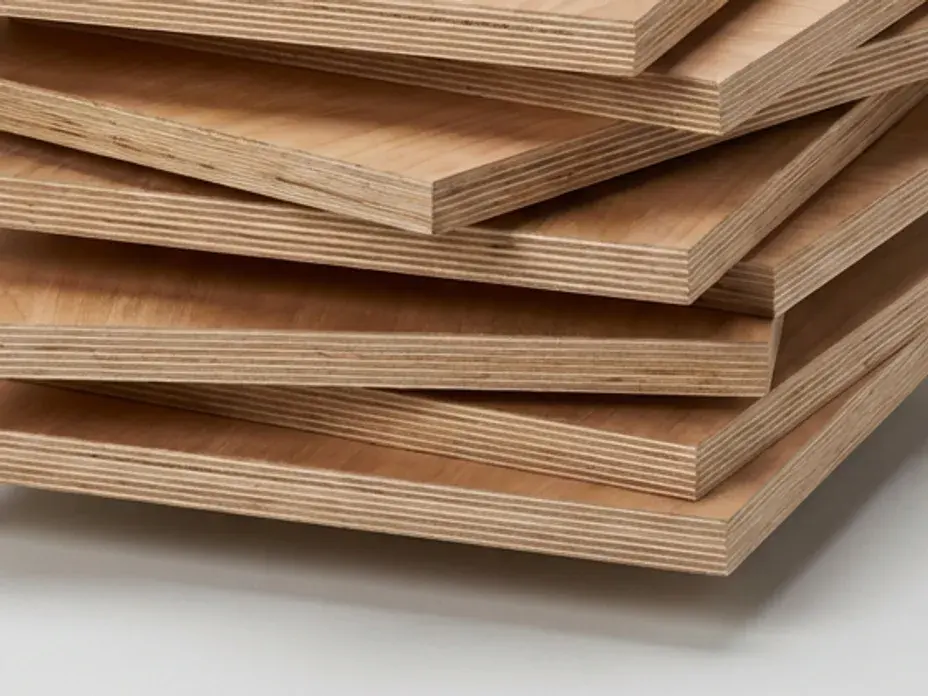
 Plywood · Boiling Water Proof (BWP)
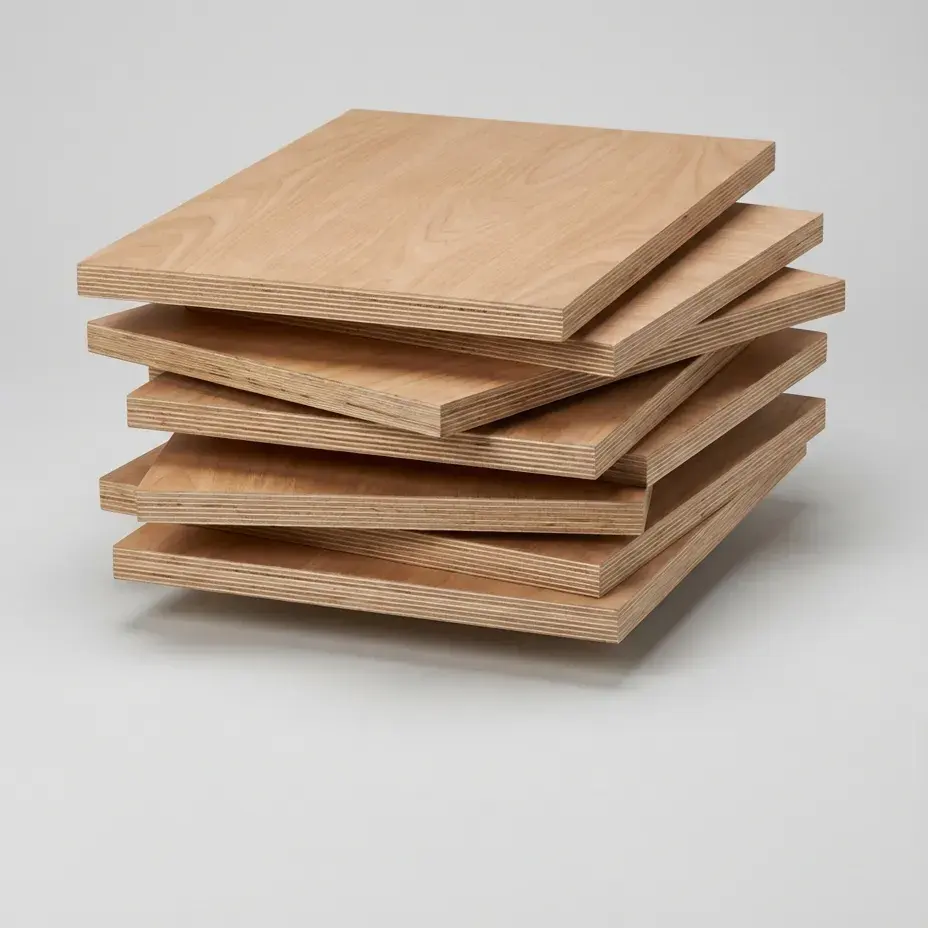
Duroply BWP Boiling Water Proof Plywood
- Key feature: IS 710 BWP grade
- Key feature: Phenol formaldehyde bonded
- Key feature: Termite & borer treated
For Kitchen cabinets, Sink units, Bathroom vanities
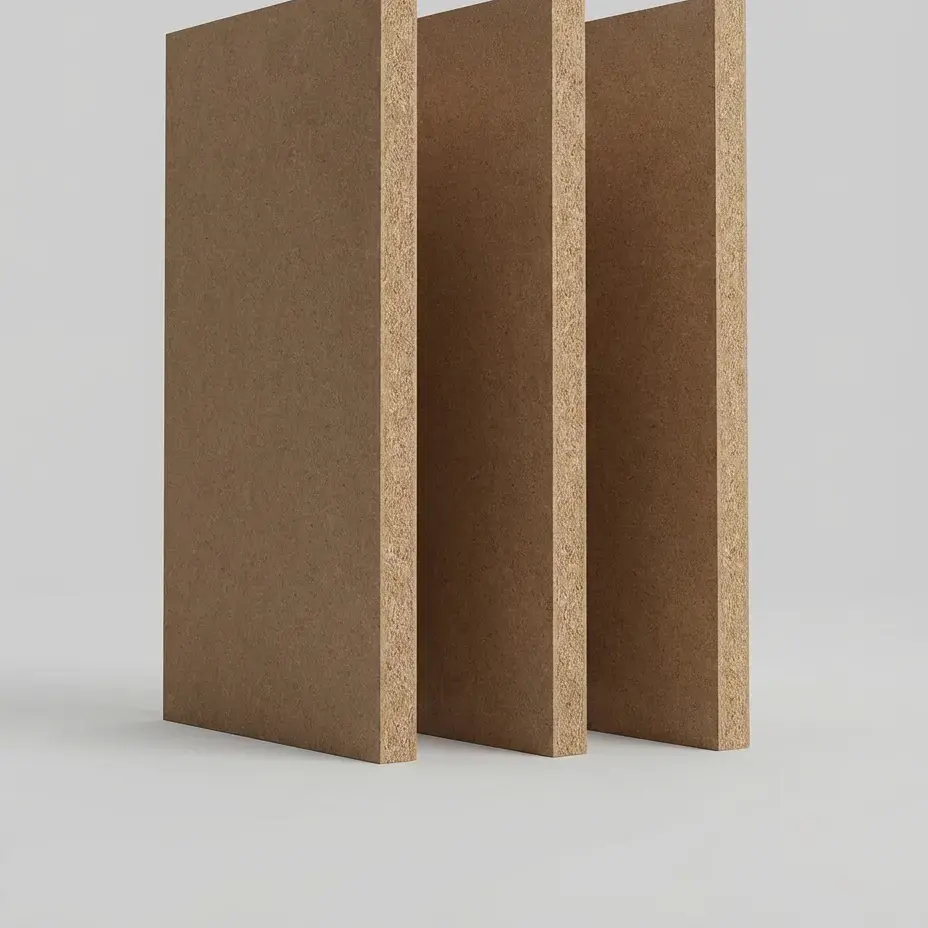
 MDF · HDHMR
Action TESA HDHMR Board
- Key feature: High density core
- Key feature: High moisture resistance
- Key feature: Strong screw holding
For Modular kitchens, Wardrobes, Bathroom vanities
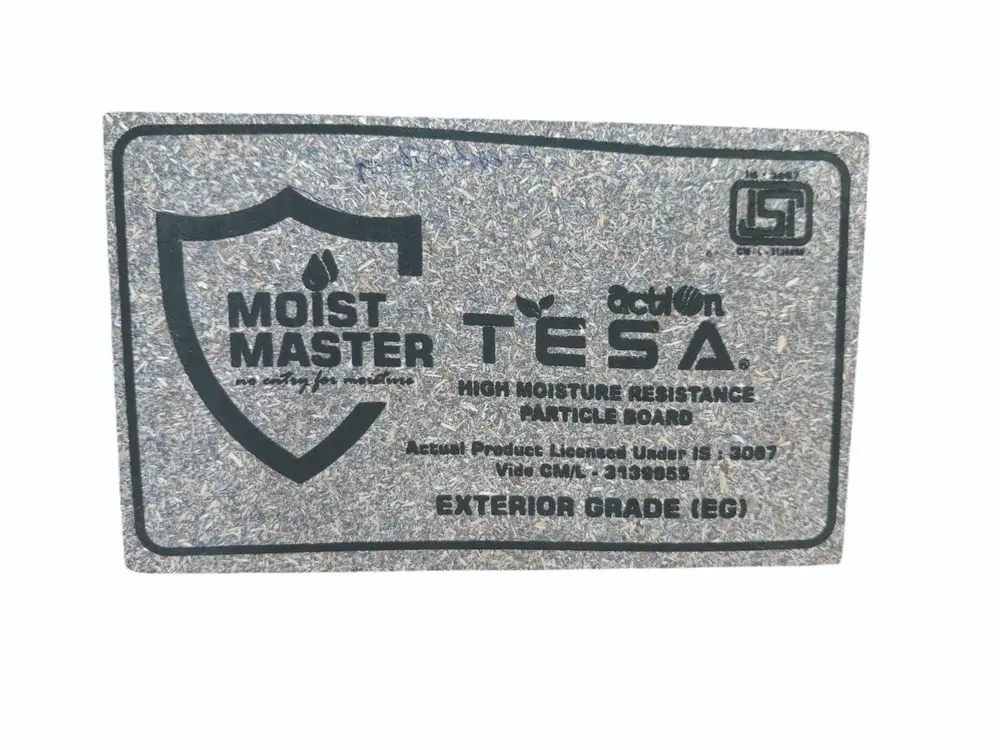 HMR Board
Action TESA Moist Master HMR Board
- Key feature: High moisture resistance
- Key feature: Dense particle core
- Key feature: Low swelling
For Kitchen shutters, Wardrobes, Office & home furniture
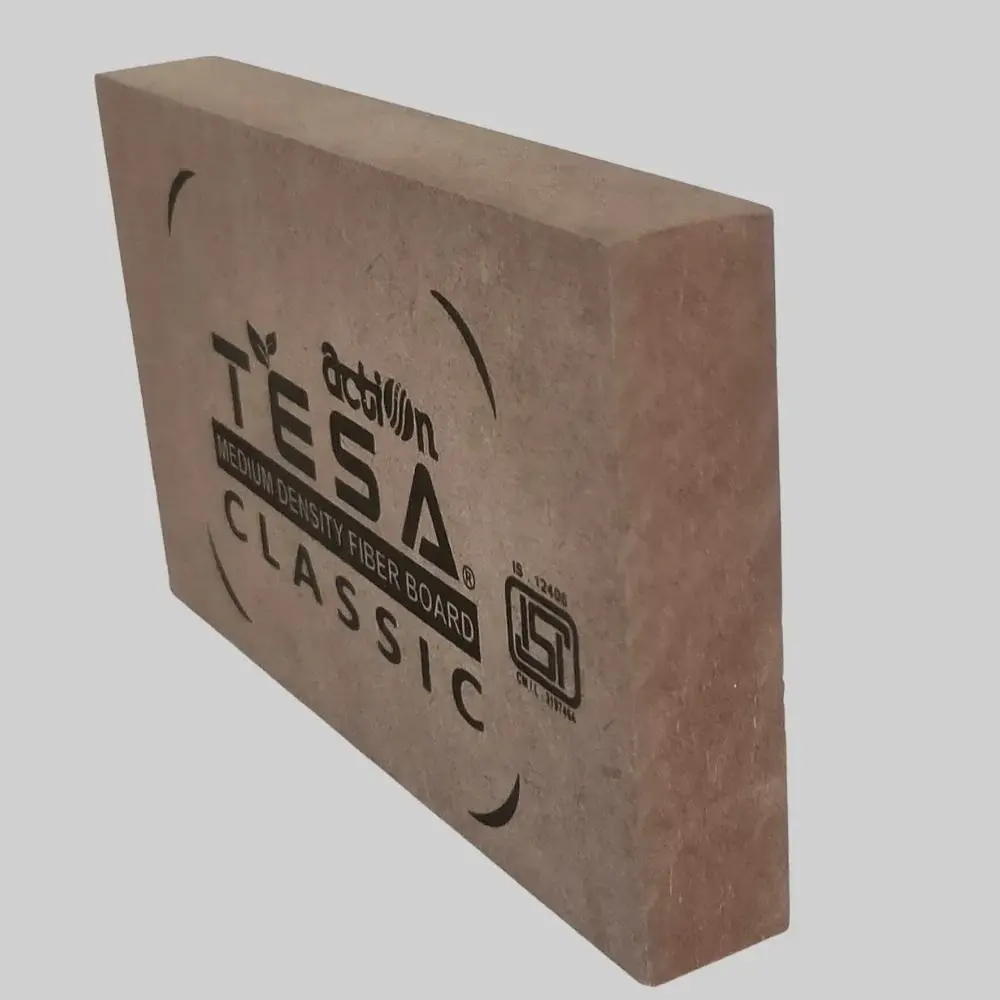 MDF · Interior Grade
Action TESA Interior Grade MDF
- Key feature: Smooth, uniform surface
- Key feature: Homogeneous board
- Key feature: Easy to machine
For Furniture, Kitchen cabinets, Wardrobes