



Two sheets of plywood can look identical on the stack and still behave very differently once they are installed near water. The difference is the resin that bonds the veneers together. Interior MR plywood and BWP plywood are made for different exposure, and choosing between them is one of the first decisions in any furniture or interior specification.
What MR and BWP mean
MR stands for moisture resistant. It is an interior grade, generally bonded with urea formaldehyde (UF) resin, meant for furniture and fittings in normal indoor conditions — rooms that see everyday humidity but not direct or repeated wetting.
BWP stands for boiling water proof. It is generally bonded with phenol formaldehyde (PF) resin, which forms a bond that holds up far better when the panel is exposed to water. The name refers to how the glue line performs in standard boil tests; it does not mean the wood itself cannot be damaged by water.
MR vs BWP at a glance
| Duroply MR | Duroply BWP | |
|---|---|---|
| Grade | MR — moisture resistant | BWP — boiling water proof |
| Bonding resin | Urea formaldehyde | Phenol formaldehyde |
| Standard (as stated by Duroply) | IS 303 — MR grade for interior applications | IS 710 — BWP / marine grade |
| Sheet size | 8 × 4 ft | 8 × 4 ft |
| Thickness range | 4 – 25 mm | 4 – 25 mm |
| Listed thickness options | 6, 8, 12, 16, 18 mm | 9, 12, 19 mm |
| Typical uses | Furniture, wardrobes, bed frames, shelving, partitions | Kitchen cabinets, sink units, vanities, exterior furniture |
| Not for | Areas directly exposed to water, such as sink cabinets | — |
Where MR plywood works well
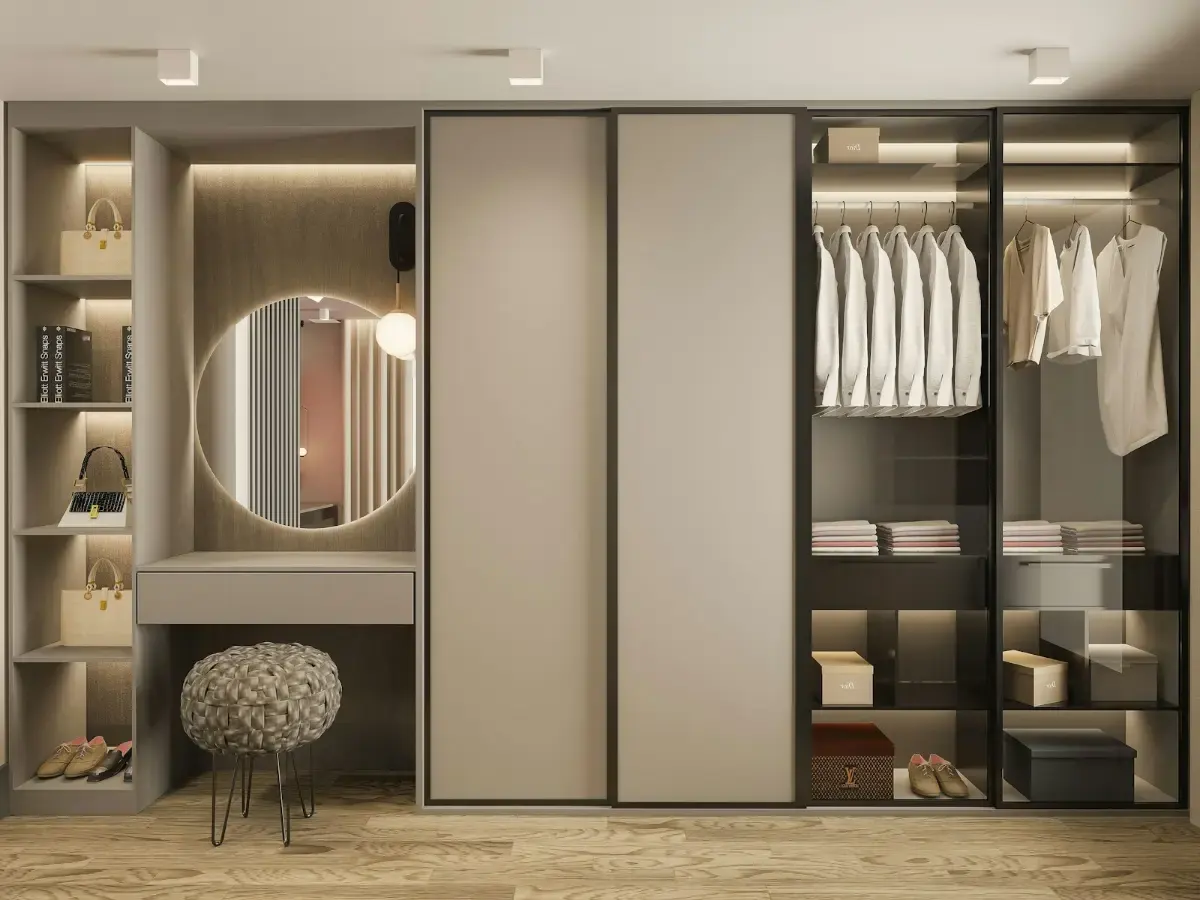
- Wardrobe carcasses, shelves and drawers in bedrooms.
- Bed frames, storage beds and study units.
- TV units, display units and wall partitions.
- Upper kitchen cabinets and areas with moderate moisture, away from the sink and dishwasher.
Where BWP is worth the upgrade
- Sink base units and the cabinets on either side of them.
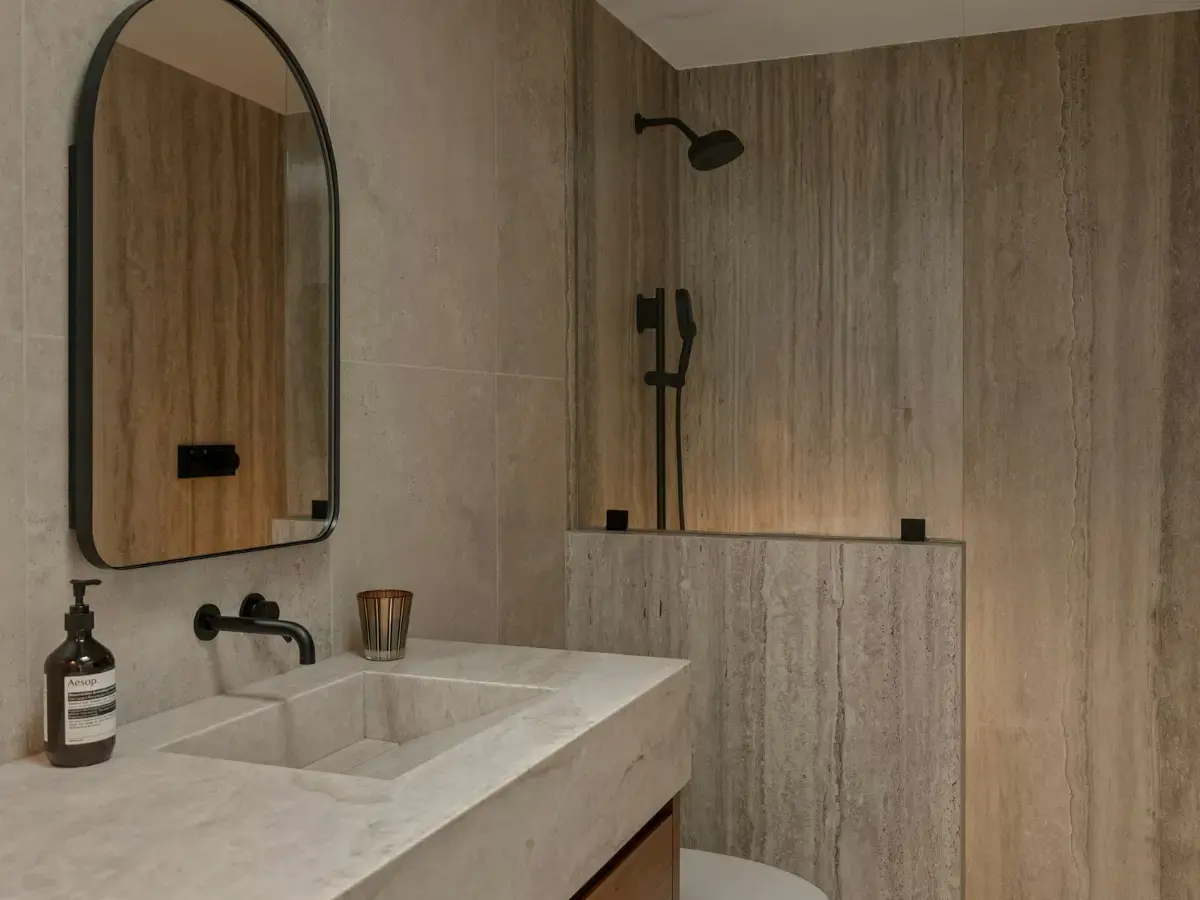
- Bathroom vanities and under-counter storage in wet rooms.
- Utility and wash areas, and cabinets near water purifiers or washing machines.
- Furniture in covered outdoor areas, finished and edge-sealed appropriately.
Mixing grades in one project
A sensible kitchen specification often uses both grades: BWP for the sink run and wet-side base units, MR for upper cabinets and tall units away from water. This keeps the higher-grade sheet where it adds real protection without paying for it on every panel. If you are comparing plywood with engineered boards for the same job, see what HDHMR is and our zone-by-zone kitchen board guide.
Label the grade on your cutting list and drawings. On site, sheets of different grades can be hard to tell apart once cut, and a single MR panel installed in a sink unit undoes the purpose of the specification.
Checking what arrives
- Match the grade marking and brand on each sheet with the order.
- Check thickness with a caliper at a few points; note any variation.
- Look at the edges for gaps or overlaps in the core veneers.
- Check faces for open joints, patches and surface damage before cutting.
- Store sheets flat, off the floor and under cover until use.
Both grades are on the Duroply plywood page. The kitchen and bathroom vanity pages show where BWP is the safer choice.
Duroply plywood in the Ananta catalogue
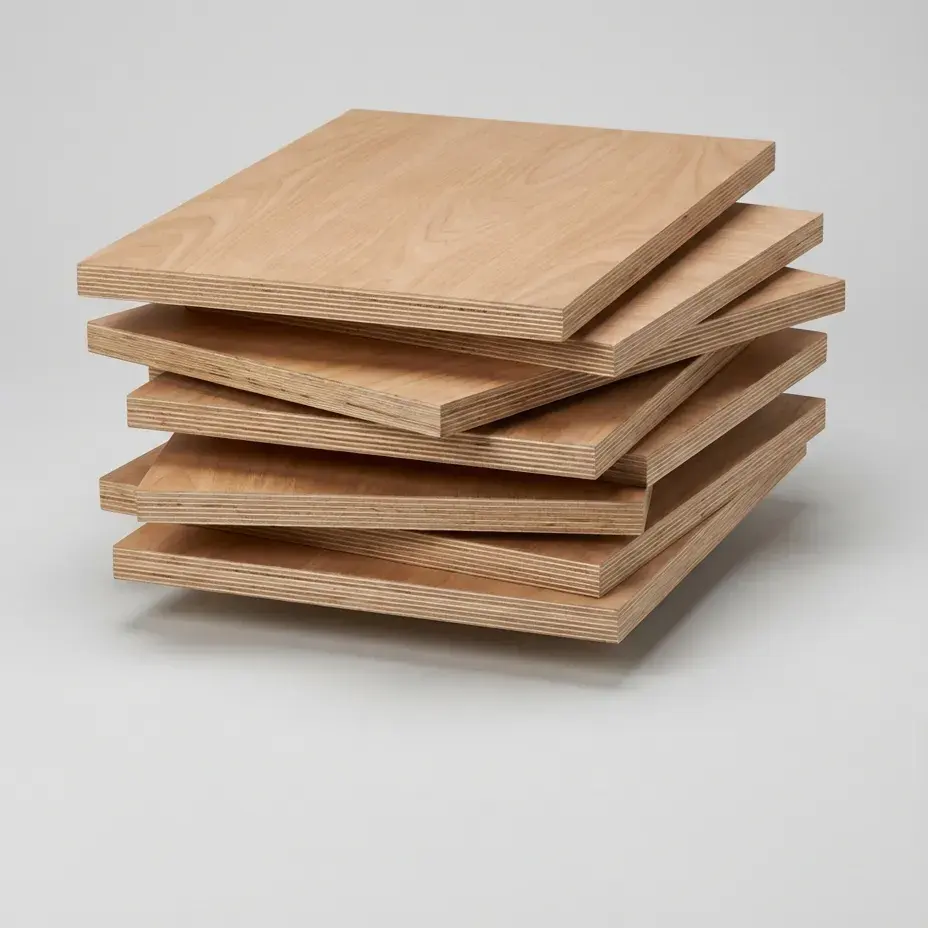
 Plywood · Moisture Resistant (MR)
Duroply MR Moisture Resistant Plywood
- Key feature: IS 303 MR grade
- Key feature: 3-hour hot-water test
- Key feature: Termite & borer treated
For Furniture, Wardrobes, Bed frames
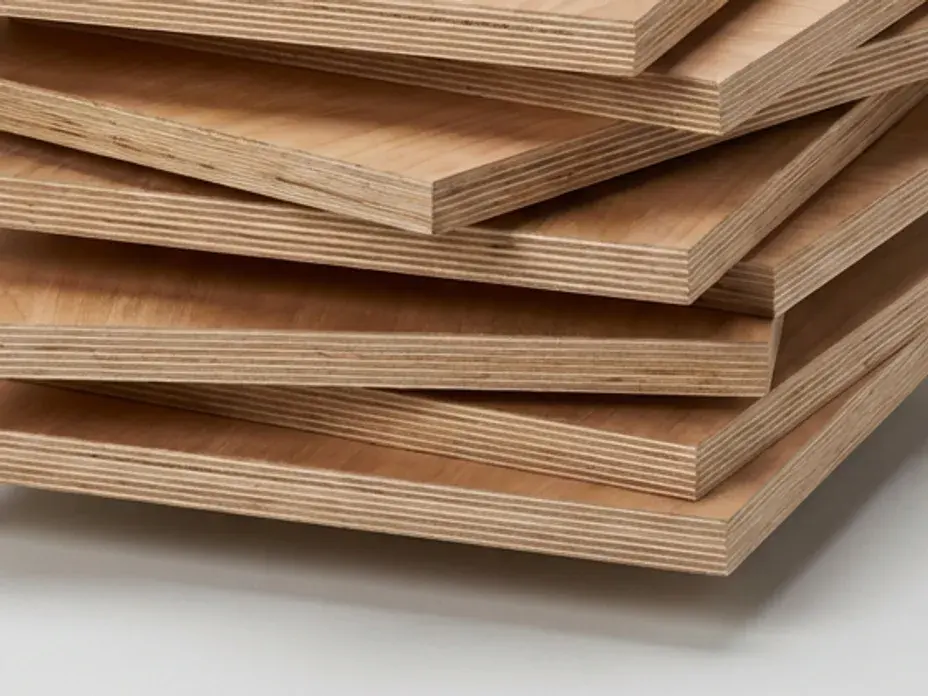 Plywood · Boiling Water Proof (BWP)
Duroply BWP Boiling Water Proof Plywood
- Key feature: IS 710 BWP grade
- Key feature: Phenol formaldehyde bonded
- Key feature: Termite & borer treated
For Kitchen cabinets, Sink units, Bathroom vanities