

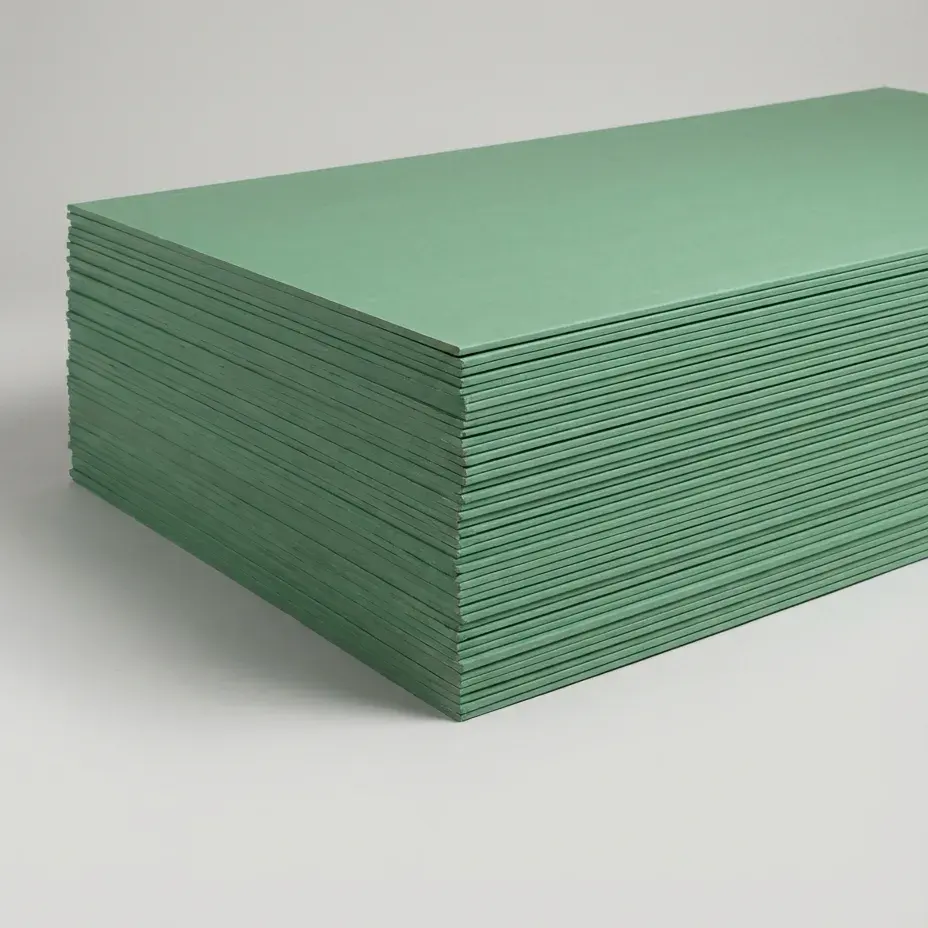
Engineered moisture-resistant boards have become a regular part of modular kitchen and wardrobe work. Two names come up again and again: HDHMR and HMR. They are related but not interchangeable, and knowing the difference helps you specify the right one for each part of a project.
What the letters stand for
- HMR — high moisture resistant. In the Ananta catalogue this is Action TESA Moist Master, an HMR particle board.
- HDHMR — high density, high moisture resistant. A denser engineered board that adds strength and screw holding to moisture resistance.
Action TESA HDHMR vs Moist Master HMR
| Action TESA HDHMR | Action TESA Moist Master (HMR) | |
|---|---|---|
| Board type | High density, high moisture resistant | HMR particle board |
| Density (as stated by Action TESA) | Over 850 kg/m³ | Above 750 kg/m³ |
| Termite & borer treatment | Not listed in the catalogue | Stated by Action TESA |
| Surface | Smooth, ready for laminate or veneer | Smooth surface for laminate application |
| Listed thicknesses | 3, 5.5, 7.5, 11, 16.75, 18, 25 mm | 9, 12, 18 mm |
| Catalogue uses | Modular kitchens, wardrobes, bathroom vanities, commercial furniture | Kitchen carcasses, wardrobe interiors, bathroom furniture, commercial furniture |
When HDHMR is the better pick
- Shutters and panels that carry heavy hardware — tall-unit doors, lift-up systems, soft-close hinges fixed close to the edge.
- Carcasses where screws will be removed and refitted during installation or later service.
- Thin panels that still need to stay flat and firm — the range goes down to 3 mm.
- Grooved or routed details where a dense, clean edge matters.
When HMR is enough
- Kitchen and wardrobe carcasses that will be laminated and assembled once.
- Interior shelving and partitions in humid rooms.
- Bathroom furniture where moisture resistance matters more than heavy fixing loads.
- Commercial furniture produced in volume, where a consistent laminated board is the priority.
How they compare with plywood
BWP plywood remains a common choice for sink units and wet zones. Engineered boards like HDHMR are often chosen instead because they offer a smoother, more uniform surface for laminates and consistent sheet-to-sheet behaviour on machines. Many projects use both. For a broader comparison, see MDF vs plywood and MR vs BWP plywood.
Working with dense engineered boards
- Use sharp, carbide-tipped tooling; dense boards dull blunt blades quickly.
- Pre-drill pilot holes and use screws suited to engineered boards.
- Plan for the weight: dense 18 mm sheets are heavy to carry and to hang on walls.
- Edge-band immediately after cutting in humid conditions.
Specifying them on drawings
Because HDHMR and HMR look similar once laminated, name the board, brand and exact thickness on drawings and cutting lists — for example "HDHMR 18 mm" for shutters and "HMR 18 mm" for carcass sides. Note which faces get laminate and which edges get banding. Clear labelling avoids substitutions on site and makes it easy to compare quotes, since density and thickness options differ between the two boards. The Board Comparison tool shows their published attributes side by side.
Both boards are in the Ananta catalogue: HDHMR under MDF & HDHMR boards and Moist Master on the HMR board page. The kitchen materials page shows where each one fits.
Moisture-resistant boards in the Ananta catalogue
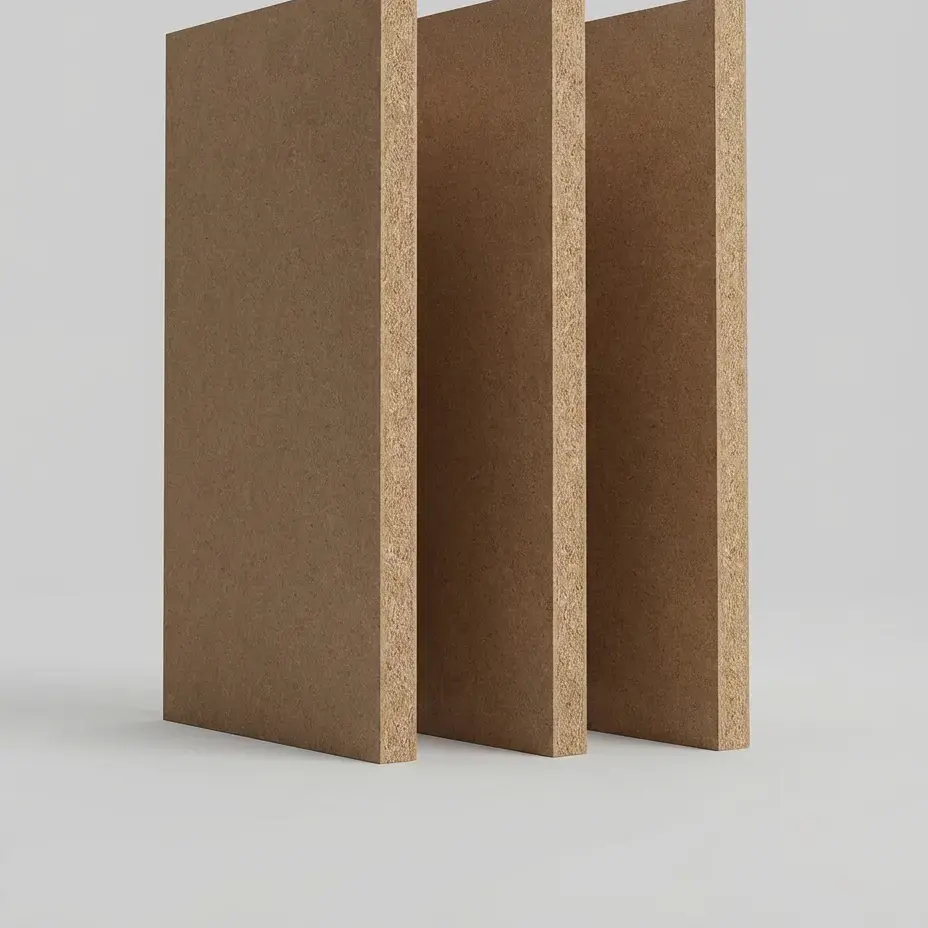
 MDF · HDHMR
Action TESA HDHMR Board
- Key feature: High density core
- Key feature: High moisture resistance
- Key feature: Strong screw holding
For Modular kitchens, Wardrobes, Bathroom vanities
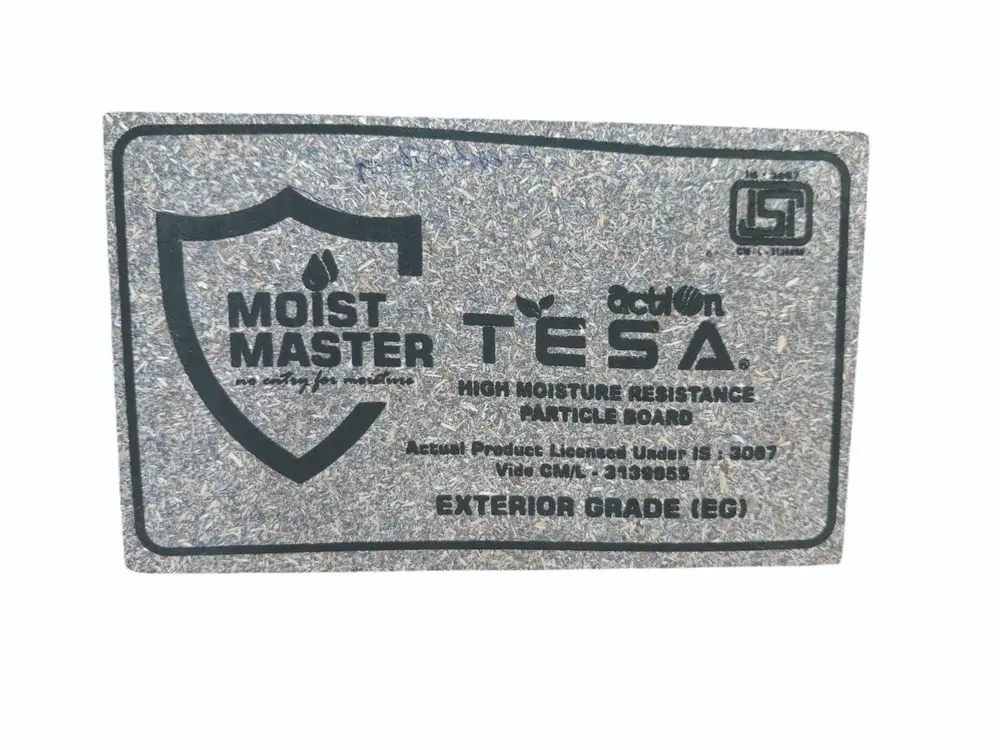 HMR Board
Action TESA Moist Master HMR Board
- Key feature: High moisture resistance
- Key feature: Dense particle core
- Key feature: Low swelling
For Kitchen shutters, Wardrobes, Office & home furniture
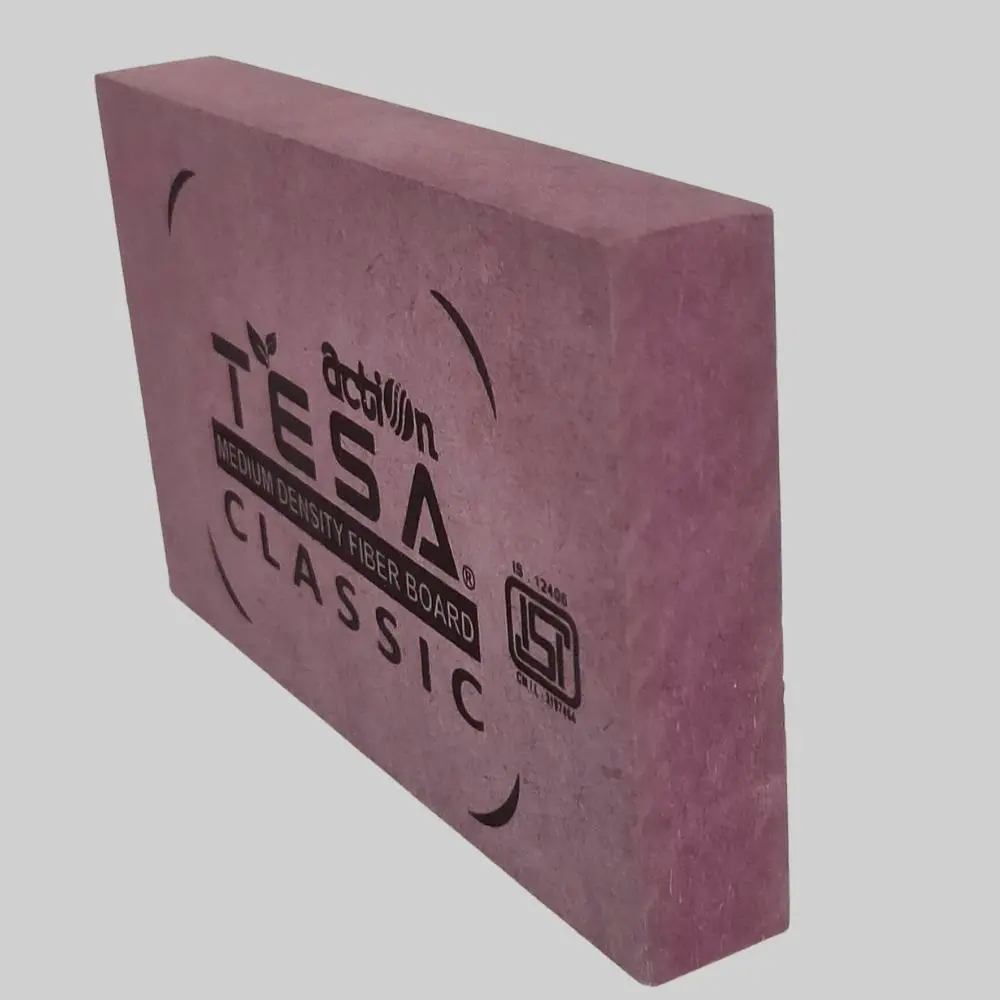 MDF · Exterior Grade
Action TESA Exterior Grade MDF
- Key feature: Moisture-resistant MDF
- Key feature: Smooth, workable surface
- Key feature: Homogeneous board
For Humid interiors, Covered, non-wet areas, Wall panelling