
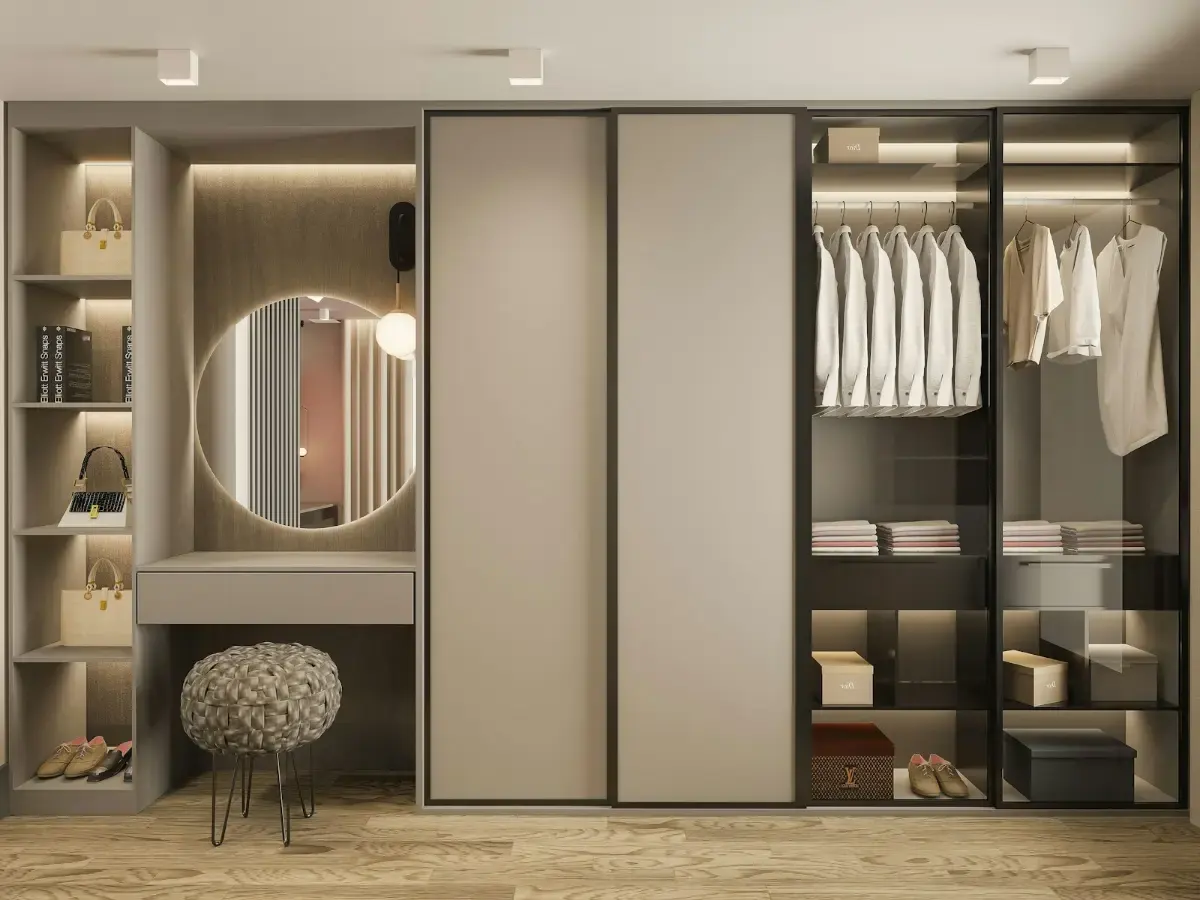
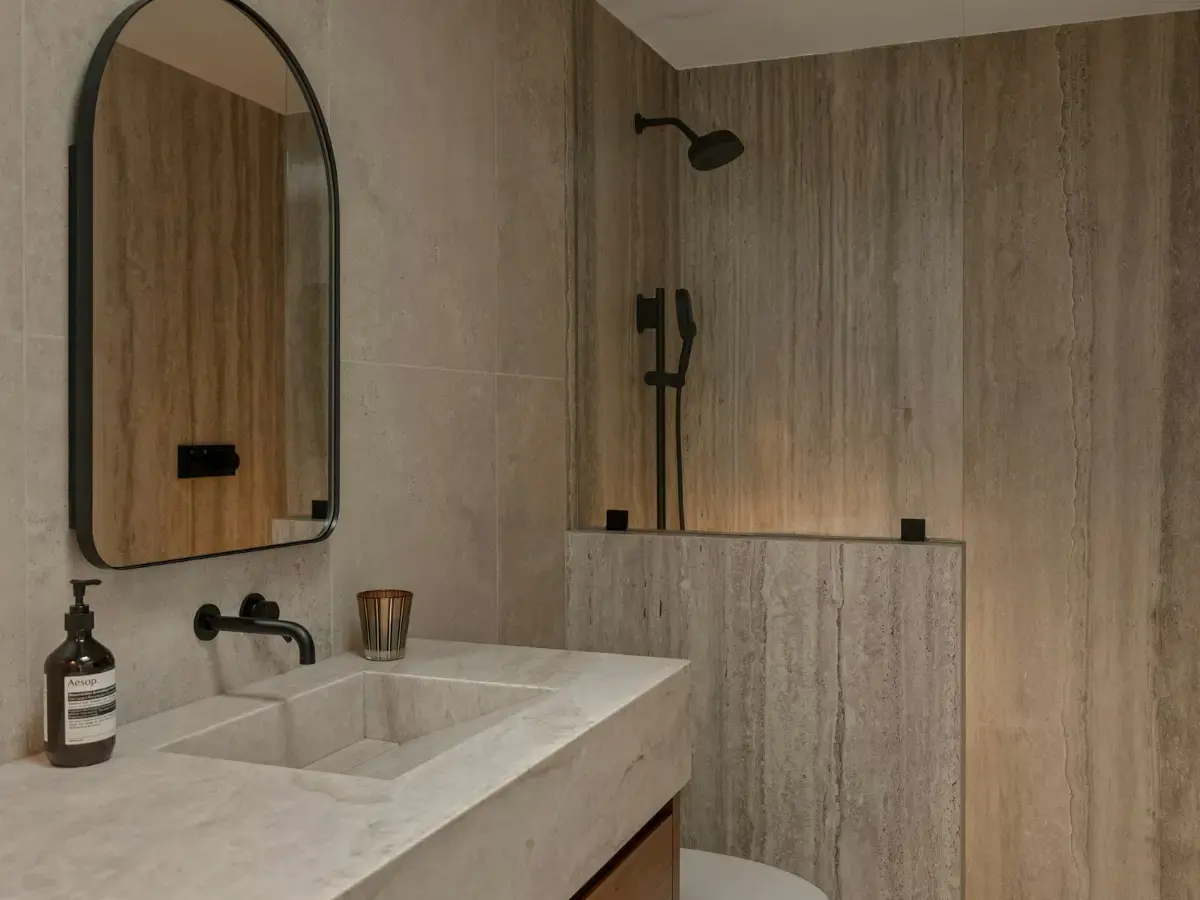

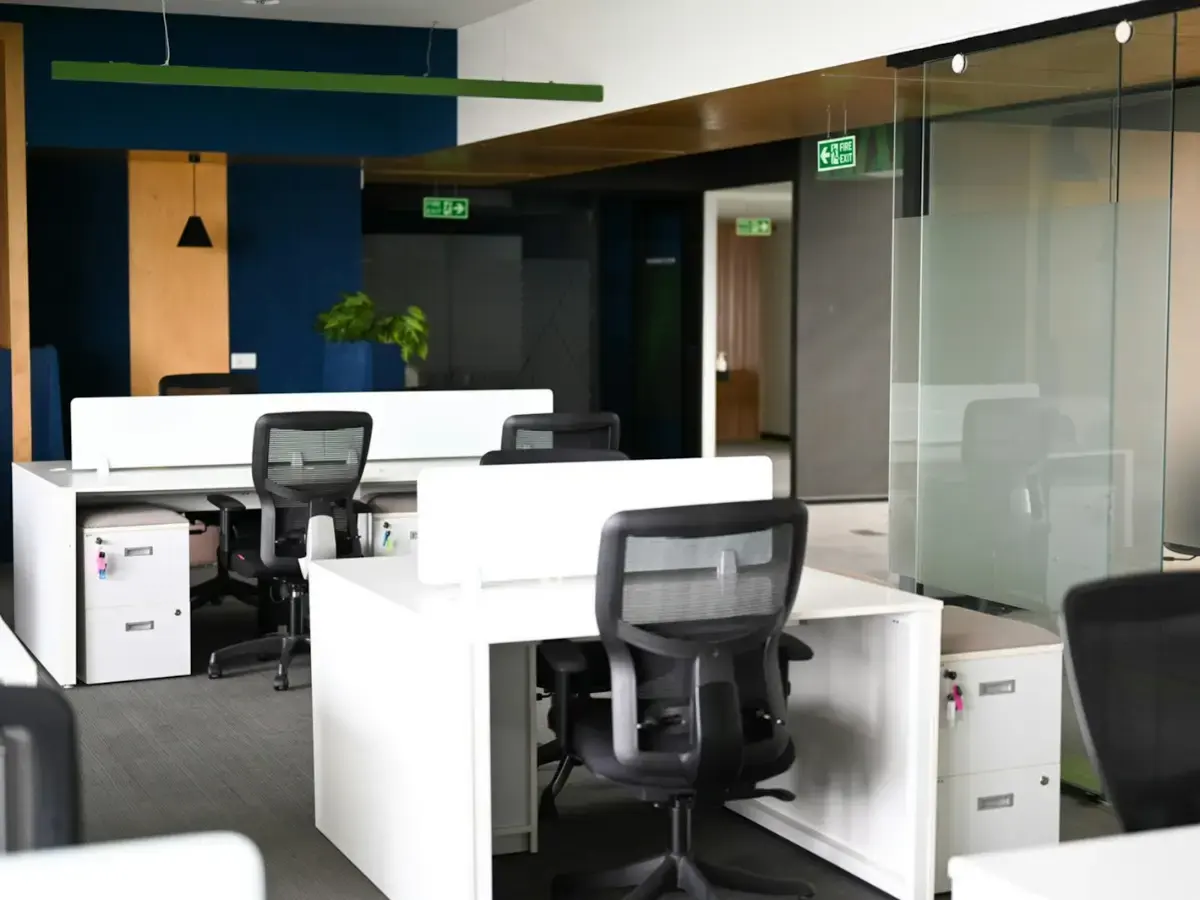

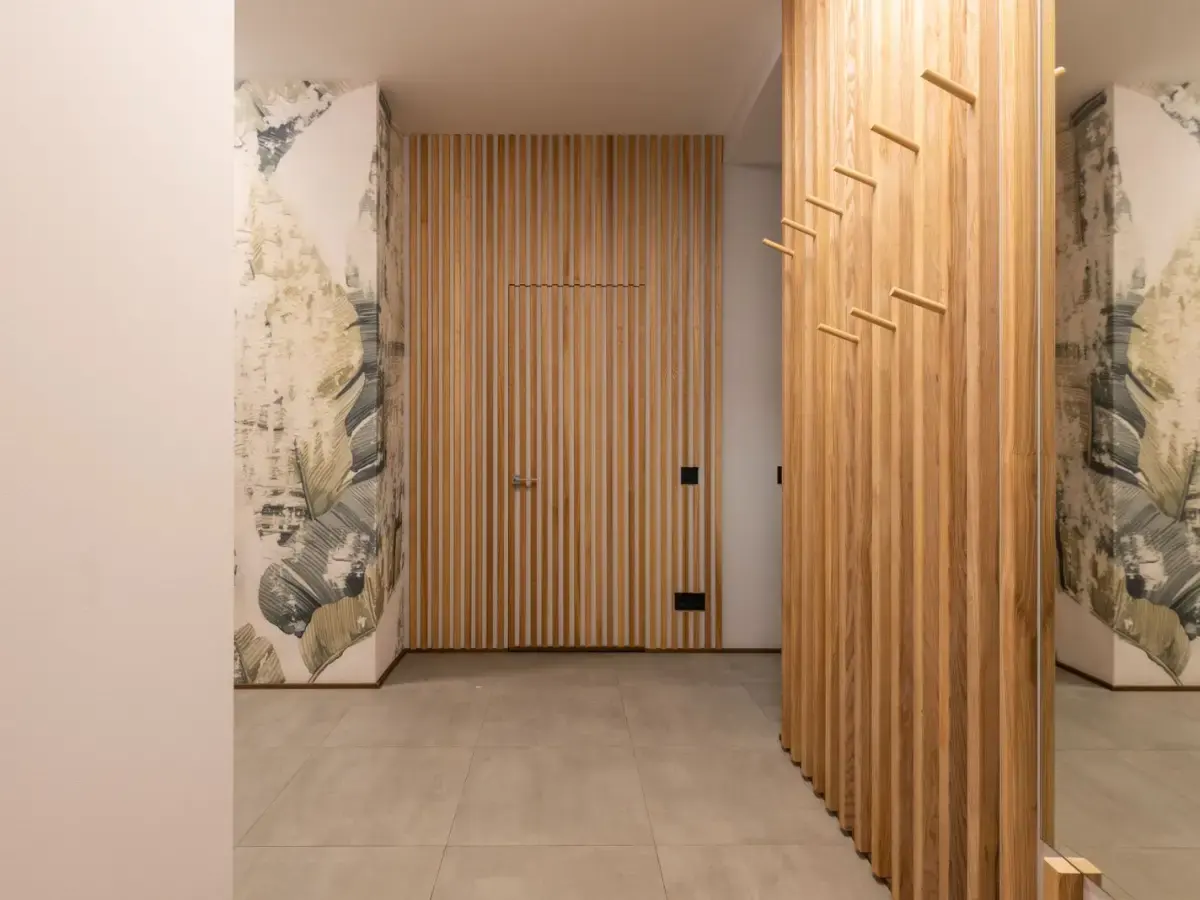

A well-built piece of furniture can still look tired within a year if its surfaces are cleaned the wrong way or its edges are left to soak. The good news is that most care comes down to a few simple habits. This guide covers the common finishes in Indian interiors and is written to be shared with clients at handover.
Know which finish you have
| Finish | What it is | Everyday care | Avoid |
|---|---|---|---|
| Laminate / prelam | Melamine or decorative laminate bonded to the board | Damp soft cloth, mild soap, dry off | Abrasive powders, scouring pads, standing water at edges |
| Natural veneer | Thin slice of real wood, polished or lacquered | Dry or barely damp cloth along the grain | Wet cloths, direct sun for long periods, harsh chemicals |
| Paint / PU | Painted or polyurethane-coated MDF or HDHMR | Soft damp cloth, mild soap | Solvents, abrasive sponges, sharp knocks on edges |
| Edges (all finishes) | Edge-banding or sealed cut edge | Wipe dry after spills | Water pooling on the plinth or under the sink |
Laminated and pre-laminated surfaces
Laminated surfaces are generally the easiest to look after. Wipe with a soft cloth dampened with water and a little mild detergent, then dry. For marks that do not lift, a soft nylon brush along the texture usually works. Matte and textured décors can hold dirt in their grain, so a soft brush is more effective than harder rubbing.
Veneered surfaces
Veneer is real wood and behaves like it. Dust regularly with a dry, soft cloth, wiping along the grain. Avoid wet cleaning; if needed, use a cloth that is barely damp and dry immediately. Long exposure to strong sunlight can change the colour of natural wood, so consider curtains or blinds for veneered furniture near large windows. Polish or lacquer touch-ups are best left to a professional polisher.
Painted and PU-finished surfaces
Painted and PU shutters show fingerprints and scuffs more than laminates. Clean gently with a soft damp cloth and mild soap; avoid solvent-based cleaners, which can dull or soften the coating. Edges and corners are the most vulnerable — door bumpers and soft-close hinges help prevent chipping.
Protect the edges
- Wipe up spills on counters and plinths straight away, especially near edges and joints.
- Keep the area under the kitchen sink dry; check regularly for slow leaks.
- Do not mop with a soaked mop against wardrobe and kitchen plinths.
- If edge-banding lifts, get it re-fixed early before moisture gets underneath.
Heat, sun and everyday wear
- Use trivets under hot pans and pads under irons and appliances.
- Keep hot appliances such as toasters and kettles off laminate edges.
- Lift, do not drag, heavy objects across surfaces.
- Use felt pads under decorative objects on shelves.
- Keep rooms ventilated to limit condensation inside wardrobes and cabinets.
A short handover note for clients
- Clean with a soft, damp cloth and mild soap; dry afterwards.
- Never use abrasive powders, scouring pads or solvents.
- Wipe spills at edges immediately; keep under-sink areas dry.
- Use trivets, mats and felt pads.
- Report lifted edges or leaks early.
Planning a new project? Start from the right board for each zone with the Material Selector, and choose prelam décors in the Finish Explorer.
Ready-finished prelam boards need no separate lamination, and their finishes can be browsed on the finishes page. For furniture by room, start from wardrobes or office furniture.
Finished boards in the Ananta catalogue
 3009
 Prelam Boards
Action TESA Prelam Particle Board 3009 – Classic Planked Walnut
- Key feature: Ready decorative finish
- Key feature: No separate lamination
- Key feature: Scratch & wear resistant
For Wardrobes, TV units, Executive office furniture
 1103Prelam Boards
Action TESA Prelam Particle Board 1103 – Frosty White
- Key feature: Ready decorative finish
- Key feature: No separate lamination
- Key feature: Scratch & wear resistant
For Wardrobes, Office furniture, Modular kitchens
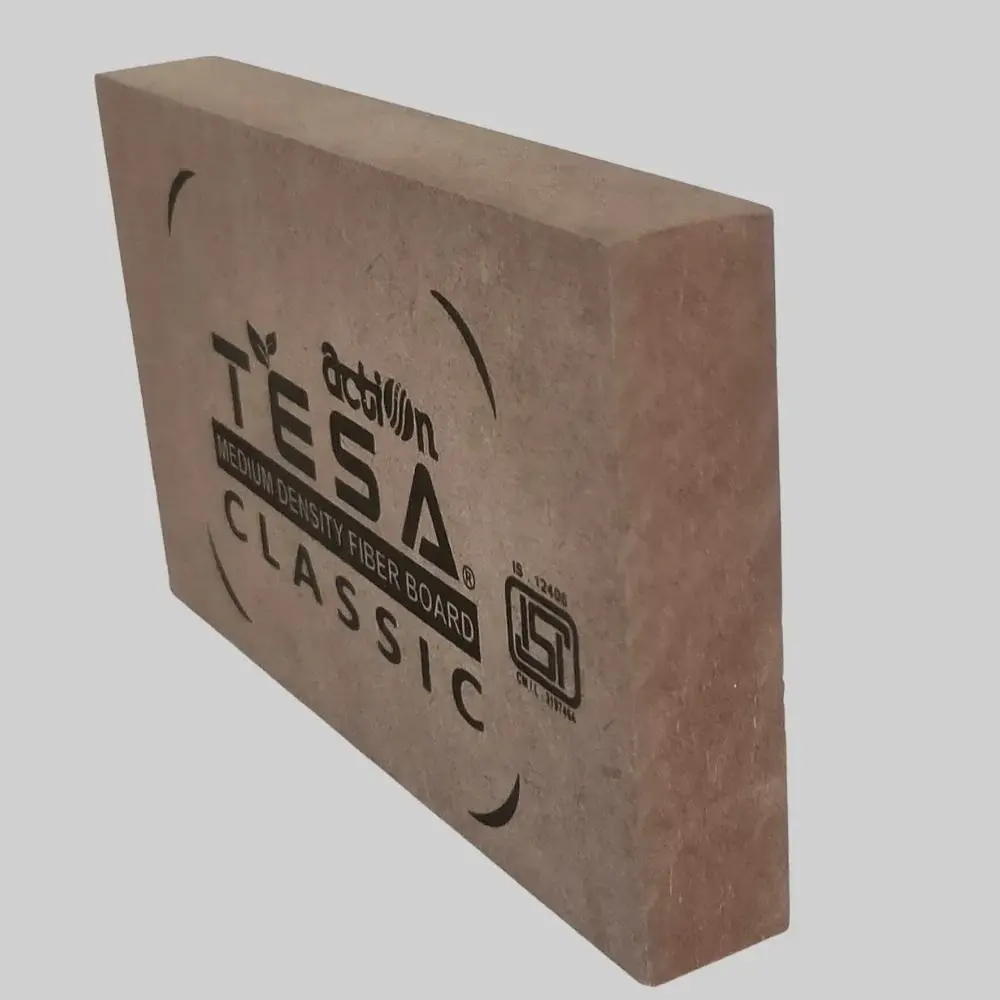 MDF · Interior Grade
Action TESA Interior Grade MDF
- Key feature: Smooth, uniform surface
- Key feature: Homogeneous board
- Key feature: Easy to machine
For Furniture, Kitchen cabinets, Wardrobes
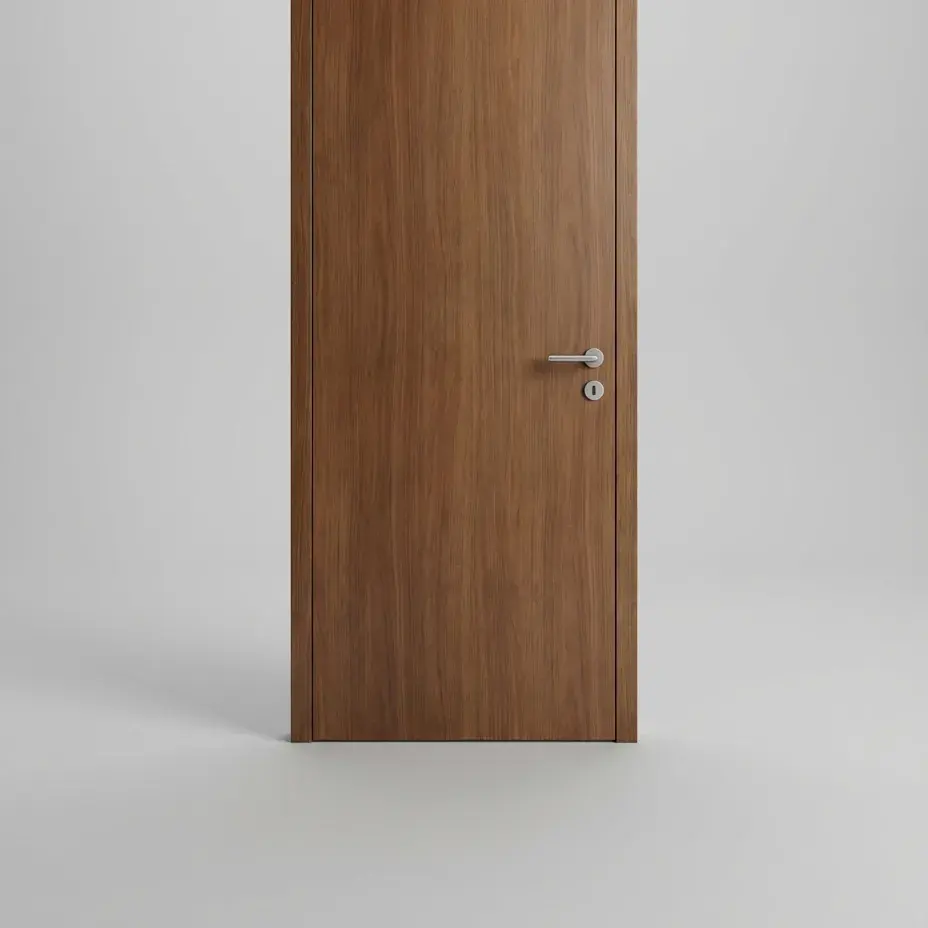
 Flush Doors
Duro Door Flush Door
- Key feature: IS 2202 BWP & MR
- Key feature: Solid blockboard core
- Key feature: Termite treated
For Bedroom doors, Bathroom doors, Main doors