


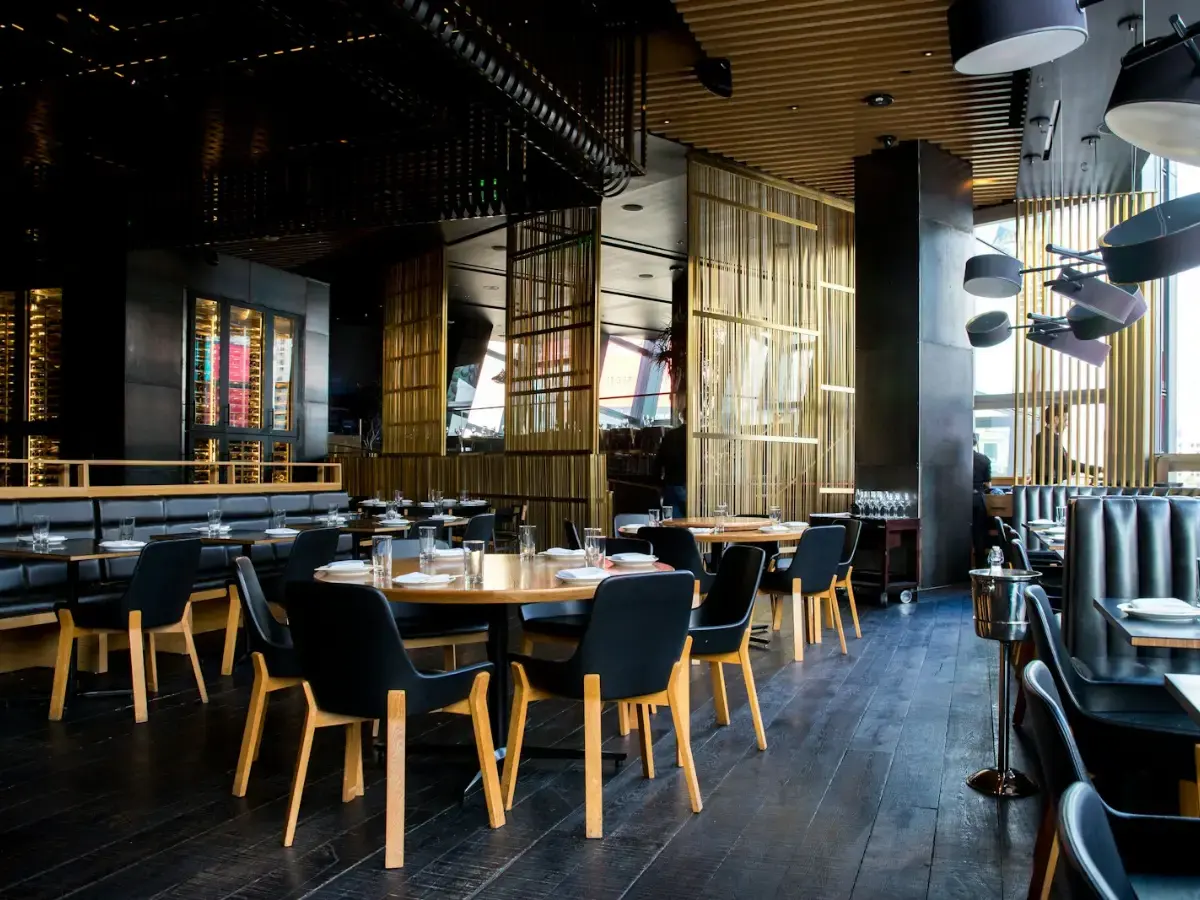
Most interior projects in India use both MDF and plywood, often in the same piece of furniture. The question is rarely "which board is better" but "which board belongs where". The answer comes from how each one is made: plywood is built from layers of wood veneer, MDF from wood fibre pressed into a uniform sheet. That single difference drives almost everything else — how they hold screws, how their edges machine, how they take paint and how they behave around moisture.
How each board is made
Plywood is made by bonding thin veneers of wood with the grain of each layer turned at right angles to the next. This cross-lamination is what gives plywood its strength in both directions and its resistance to splitting. The bonding resin decides the grade: interior MR plywood and BWP plywood differ mainly in the resin used (see MR vs BWP plywood).
MDF (medium density fibreboard) is made by breaking wood down into fibres, mixing them with resin and pressing them into a sheet of even density. There is no grain and no layering, so the board is the same from face to core. That homogeneity is the reason MDF machines so cleanly and paints so evenly.
MDF and plywood side by side
| Property | Plywood | MDF |
|---|---|---|
| Structure | Cross-laminated wood veneers | Uniform pressed wood fibre |
| Screw holding (face) | Generally strong | Good, with correct pilot holes |
| Screw holding (edge) | Generally good | Weaker; edges need care and suitable fasteners |
| Edge after cutting | Shows layers; usually edge-banded | Smooth, can be routed and profiled |
| Paint finish | Grain can show through; needs more preparation | Very smooth; well suited to paint and PU |
| Laminate / veneer | Takes both well | Takes both well |
| Weight | Typically lighter for the same thickness | Typically heavier |
| Span / sag under load | Generally stiffer over long spans | More prone to sag on long, loaded shelves |
| Water at cut edges | Depends on grade (MR vs BWP) | Standard grades can swell; use moisture-resistant grades |
Where plywood usually fits better
- Load-bearing carcasses and shelves — bed boxes, loft units and long shelves that carry books or appliances.
- Parts that are screwed and re-screwed — hinged doors that may be adjusted or refitted over the life of the furniture.
- Areas near water — sink units, vanities and utility areas, in BWP grade.
- Structural framing behind panelling or under countertops.
Where MDF usually fits better
- Painted and PU-finished shutters, where a flawless flat surface matters more than raw strength.
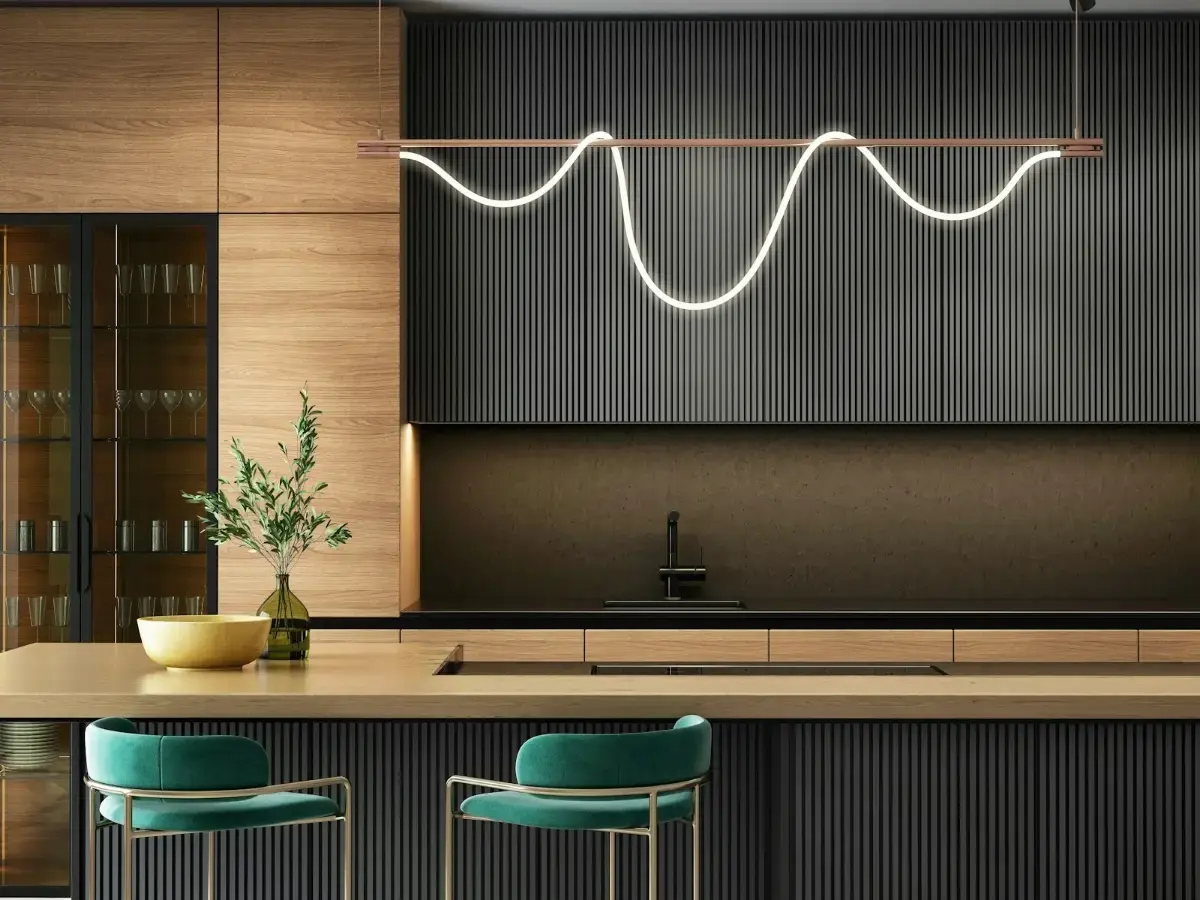
- Routed and grooved work — fluted panels, profiled shutter edges, CNC-cut patterns and handles.
- Decorative wall panelling, ceiling features and display units.
- Consistent, repeatable production, where a manufacturer wants every sheet to behave the same on the machine.
Moisture: the deciding factor in kitchens and baths
Moisture is where the wrong choice shows up first. Standard interior MDF is meant for dry indoor use; if water reaches an unsealed edge it can swell. Interior MR plywood tolerates normal indoor humidity but is not meant for direct water exposure. For sink cabinets and vanities, the usual options are BWP plywood or a moisture-resistant engineered board such as HDHMR or HMR. Our guide to boards for modular kitchens goes zone by zone.
Working with each board
With plywood, plan for edge banding or lipping wherever an edge is visible, and choose a face veneer or laminate that suits the finish. With MDF, use sharp tooling, pre-drill for screws, avoid fixing too close to an edge, and seal edges before painting so they do not absorb more primer than the face. Both boards benefit from being stored flat and acclimatised on site before cutting.
A quick way to decide
- Will the part carry load or span a long distance? Lean towards plywood.
- Will it be painted, routed or profiled? Lean towards MDF.
- Will it see water or high humidity? Choose BWP plywood or a moisture-resistant board, whichever you choose above.
- Still unsure? Try the Material Selector or put two boards side by side in Board Comparison.
To compare by project instead, see the wardrobe and kitchen pages, or browse the full plywood and MDF & HDHMR ranges.
MDF and plywood in the Ananta catalogue
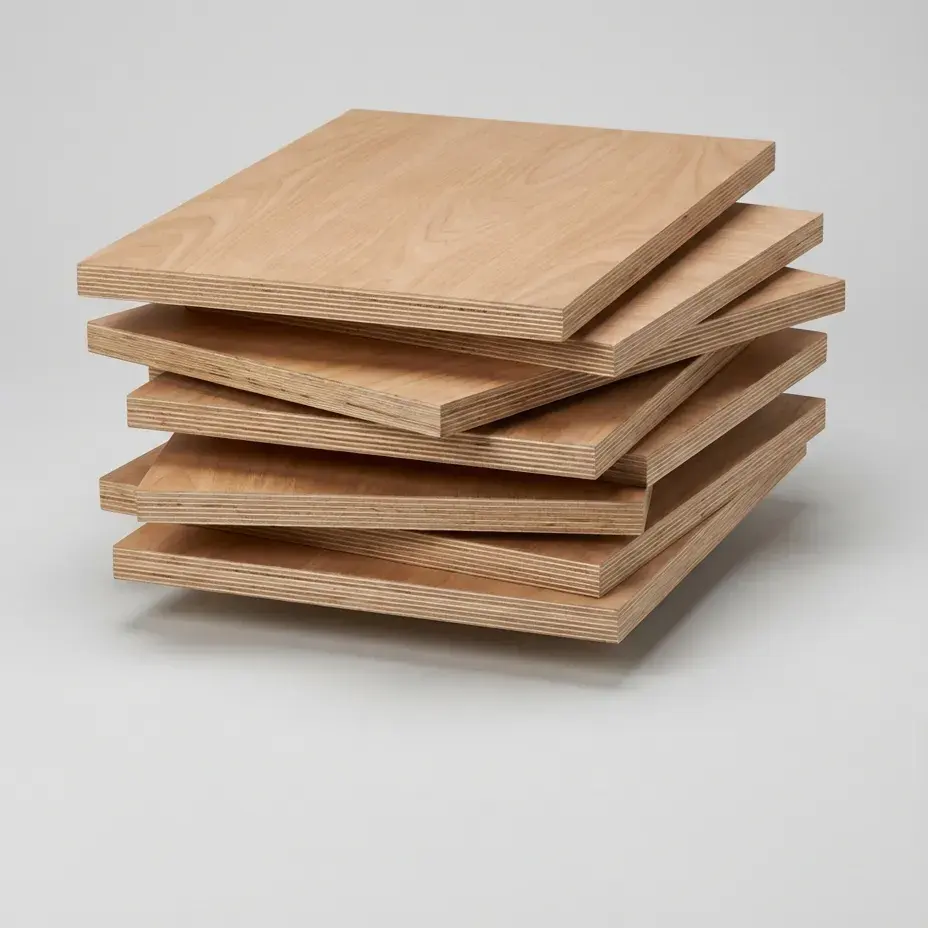
 Plywood · Moisture Resistant (MR)
Duroply MR Moisture Resistant Plywood
- Key feature: IS 303 MR grade
- Key feature: 3-hour hot-water test
- Key feature: Termite & borer treated
For Furniture, Wardrobes, Bed frames
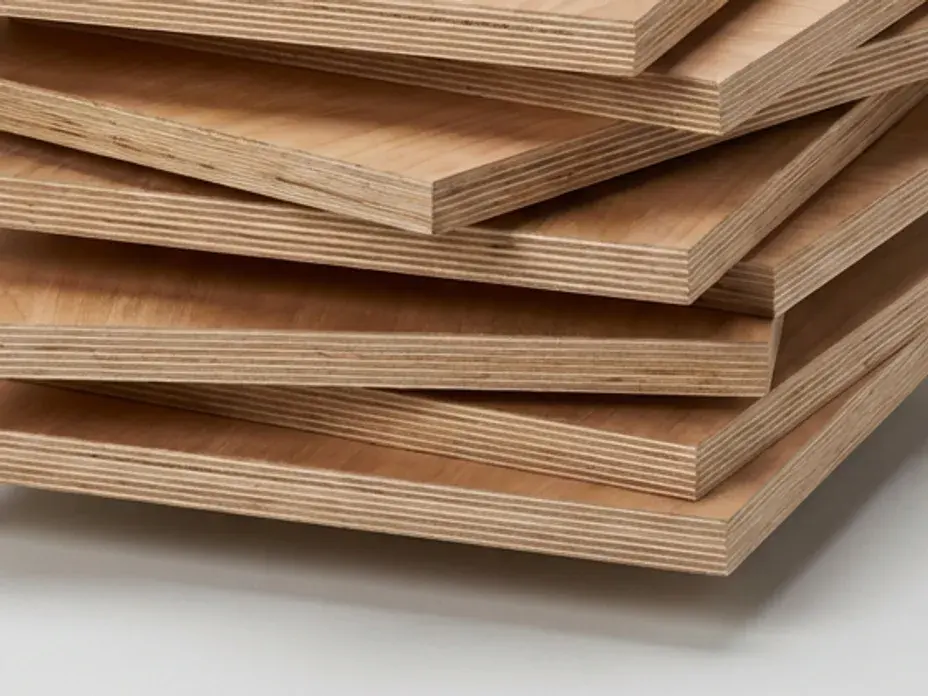 Plywood · Boiling Water Proof (BWP)
Duroply BWP Boiling Water Proof Plywood
- Key feature: IS 710 BWP grade
- Key feature: Phenol formaldehyde bonded
- Key feature: Termite & borer treated
For Kitchen cabinets, Sink units, Bathroom vanities
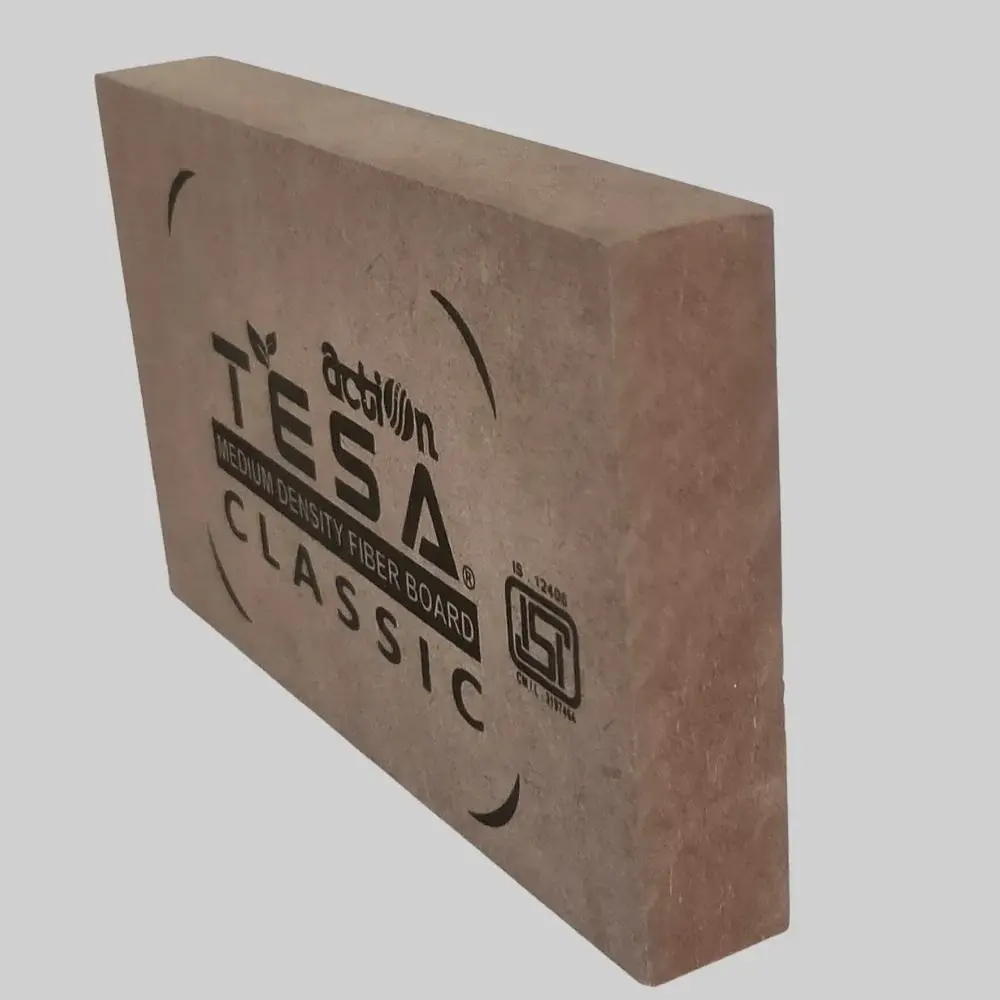
 MDF · Interior Grade
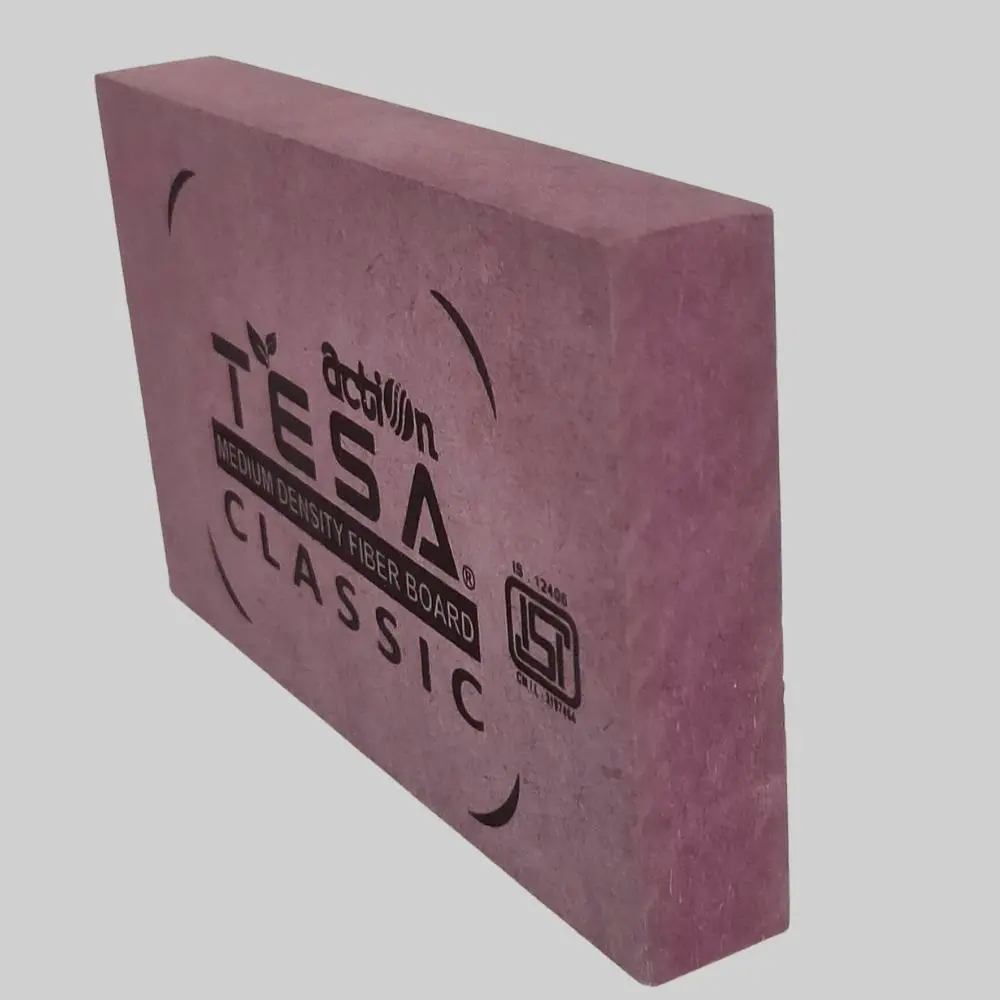
Action TESA Interior Grade MDF
- Key feature: Smooth, uniform surface
- Key feature: Homogeneous board
- Key feature: Easy to machine
For Furniture, Kitchen cabinets, Wardrobes
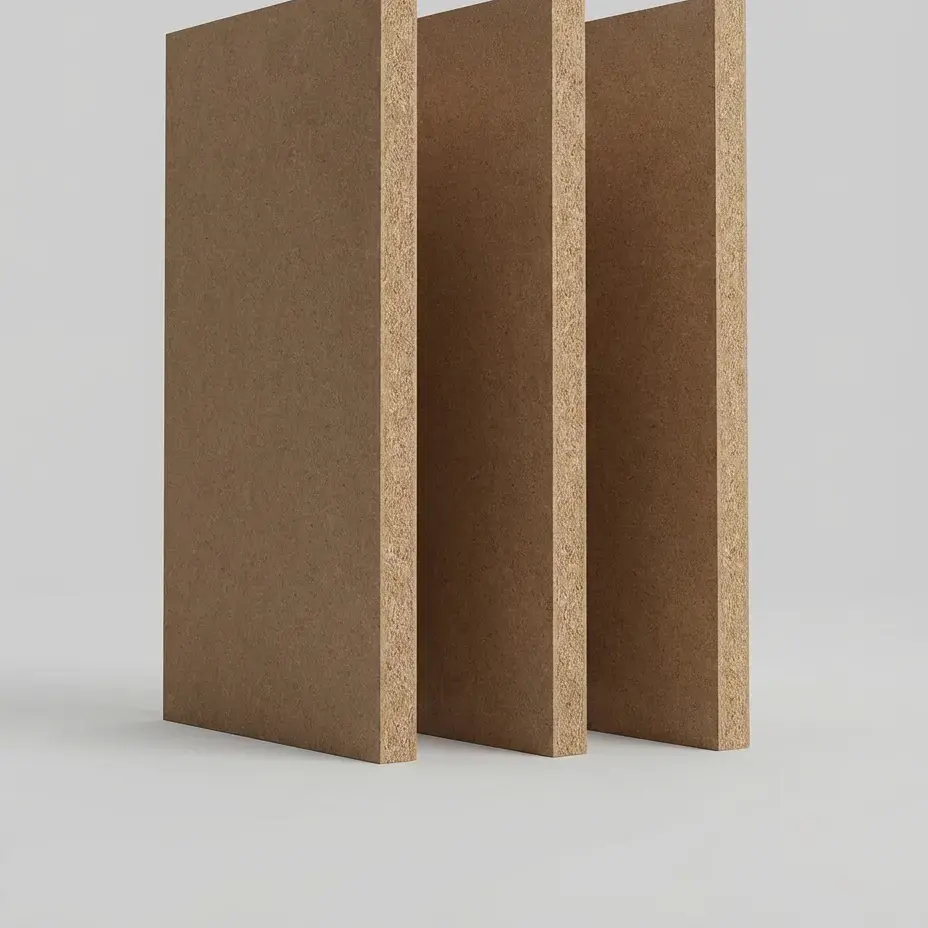 MDF · HDHMR
Action TESA HDHMR Board
- Key feature: High density core
- Key feature: High moisture resistance
- Key feature: Strong screw holding
For Modular kitchens, Wardrobes, Bathroom vanities