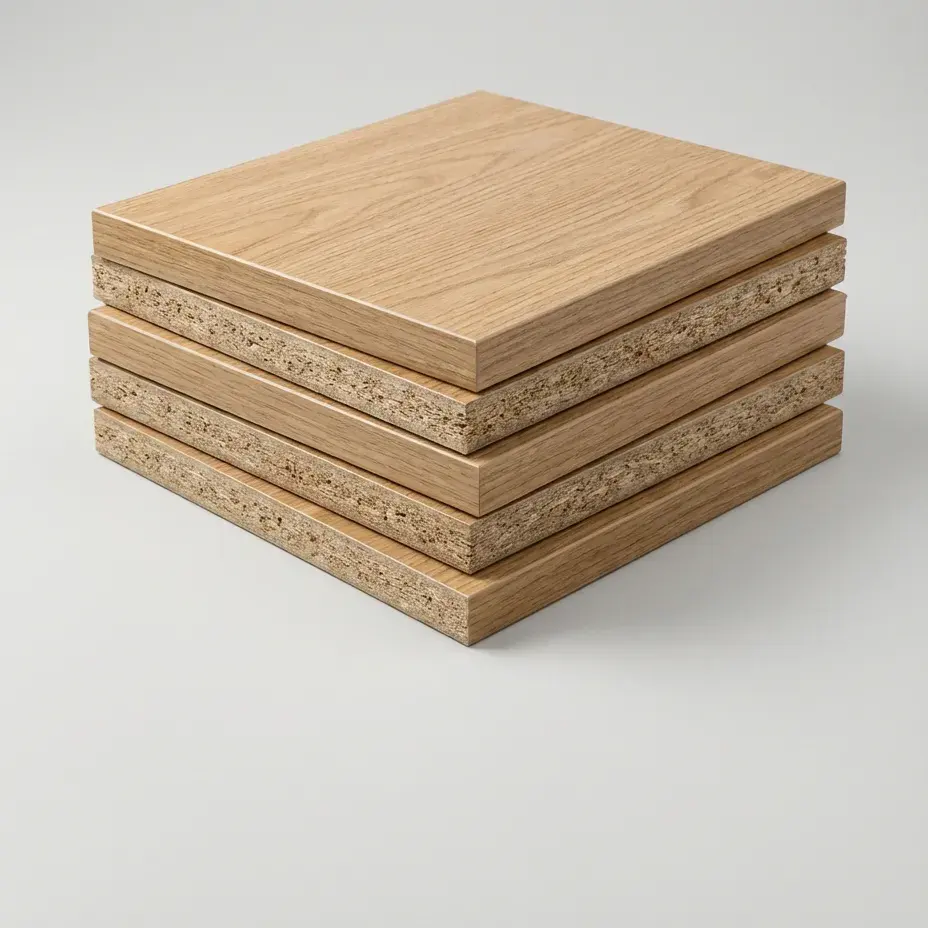

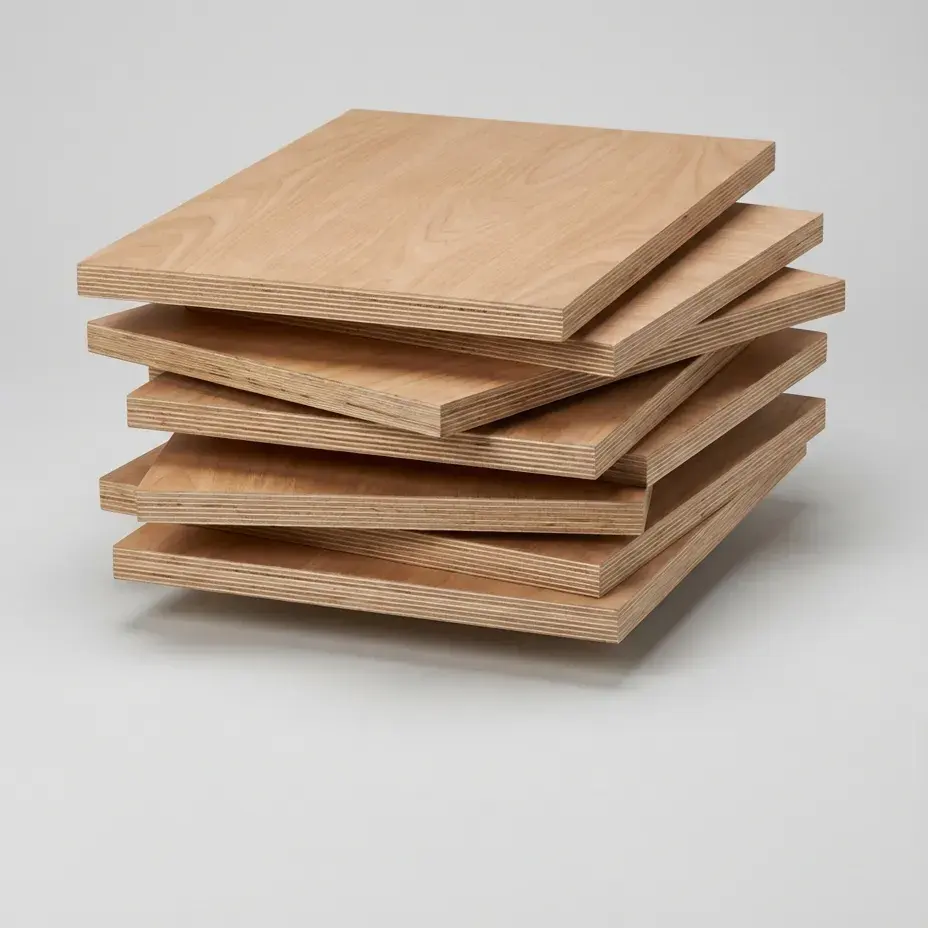

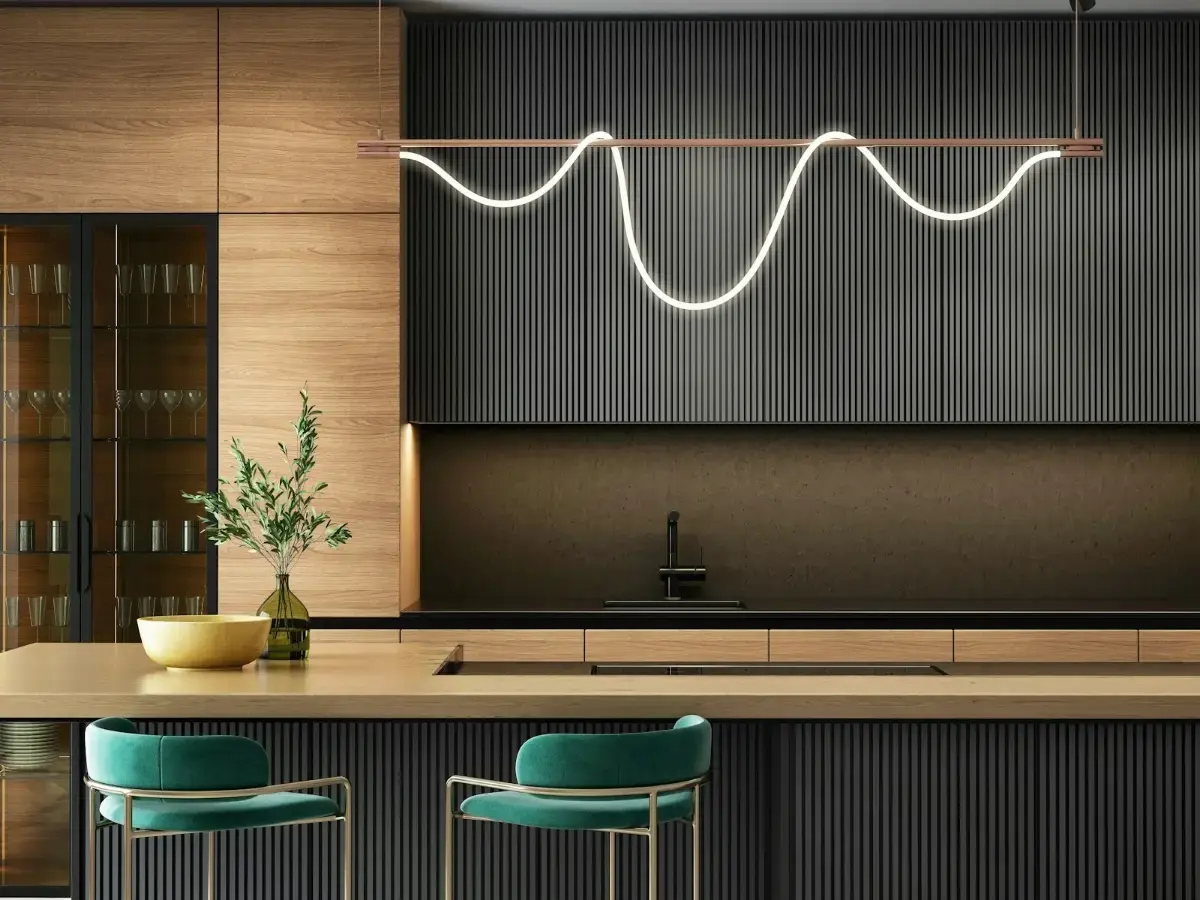
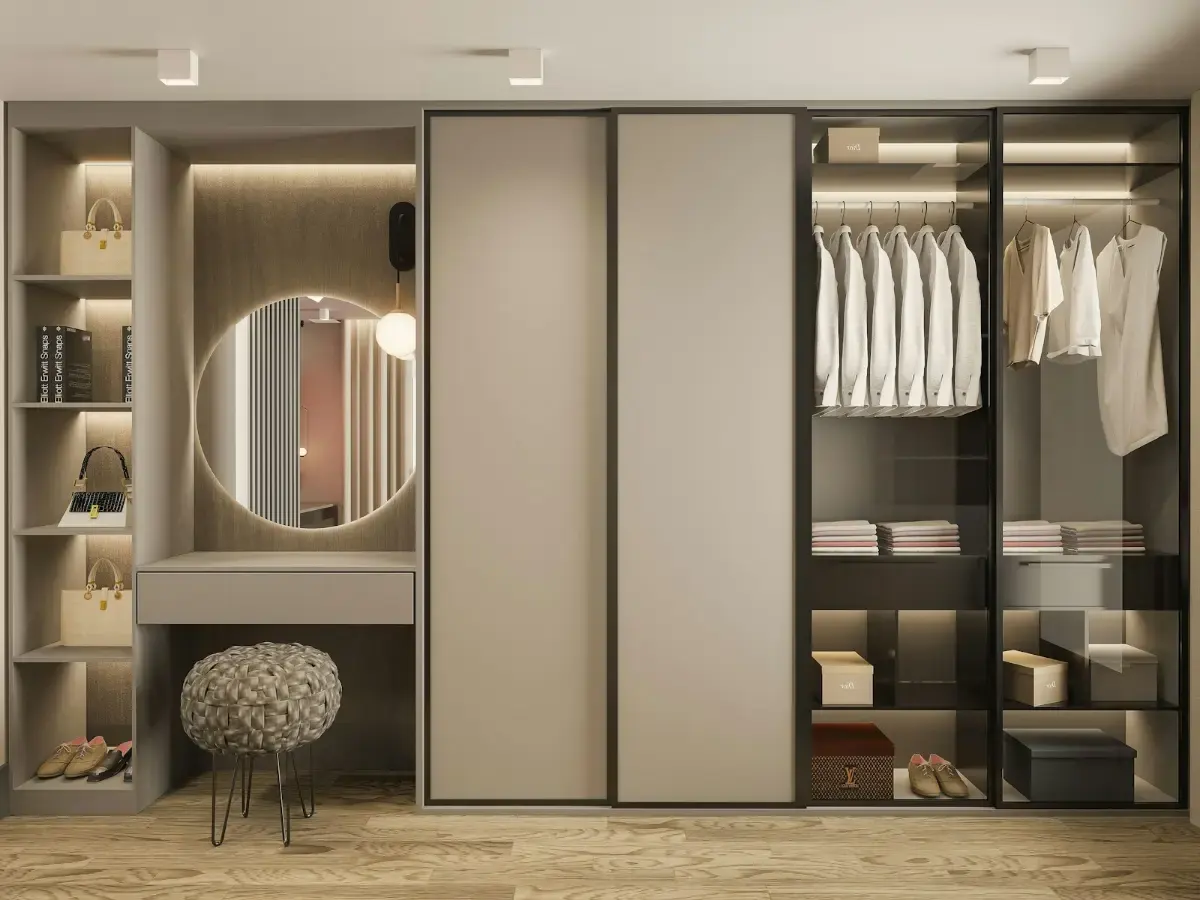
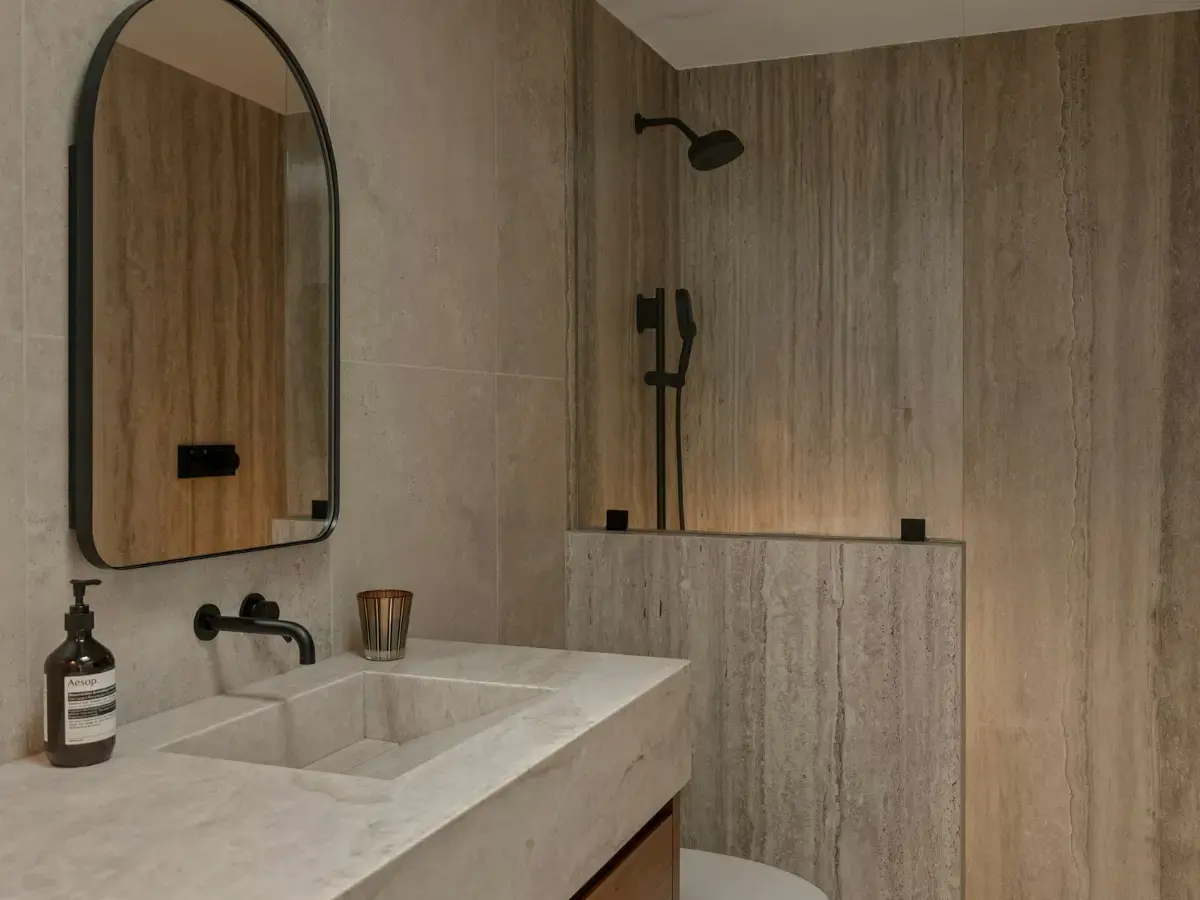


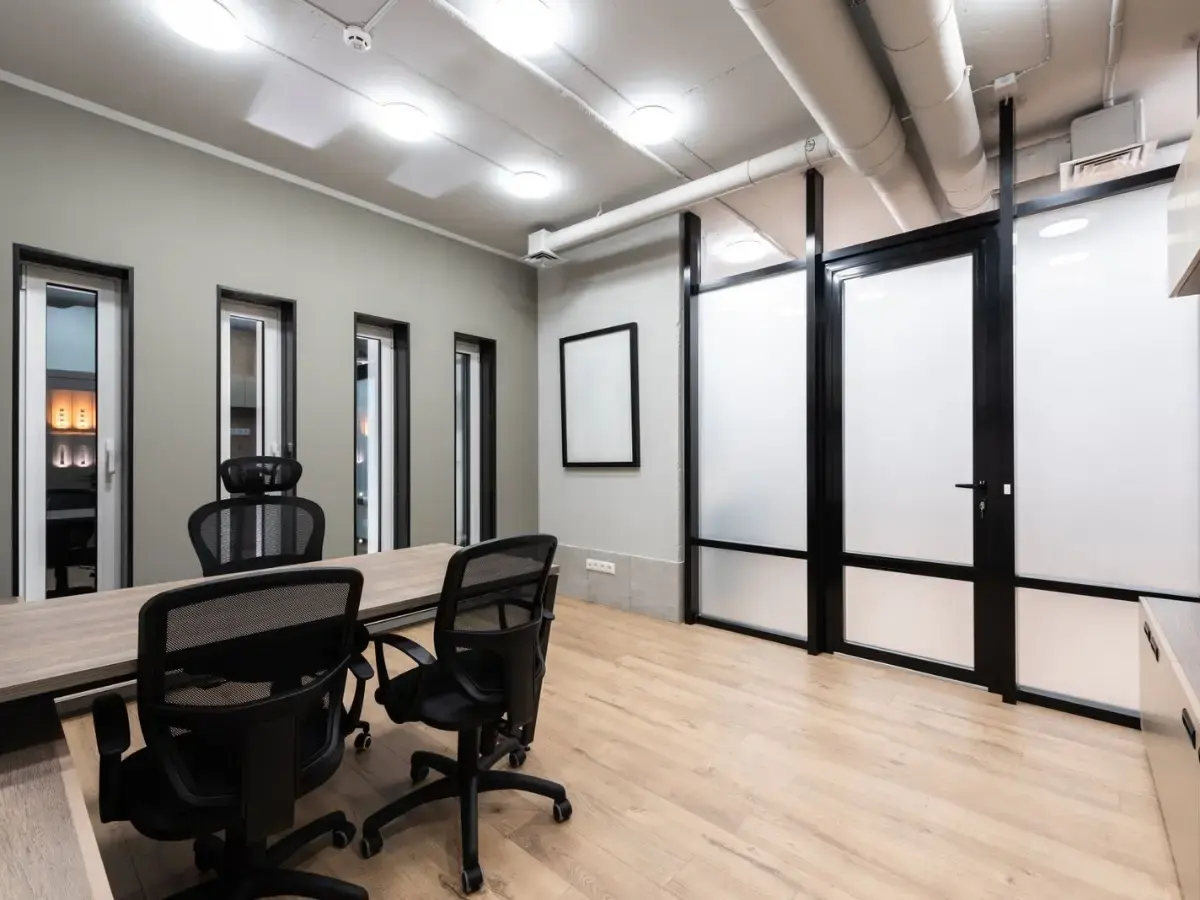

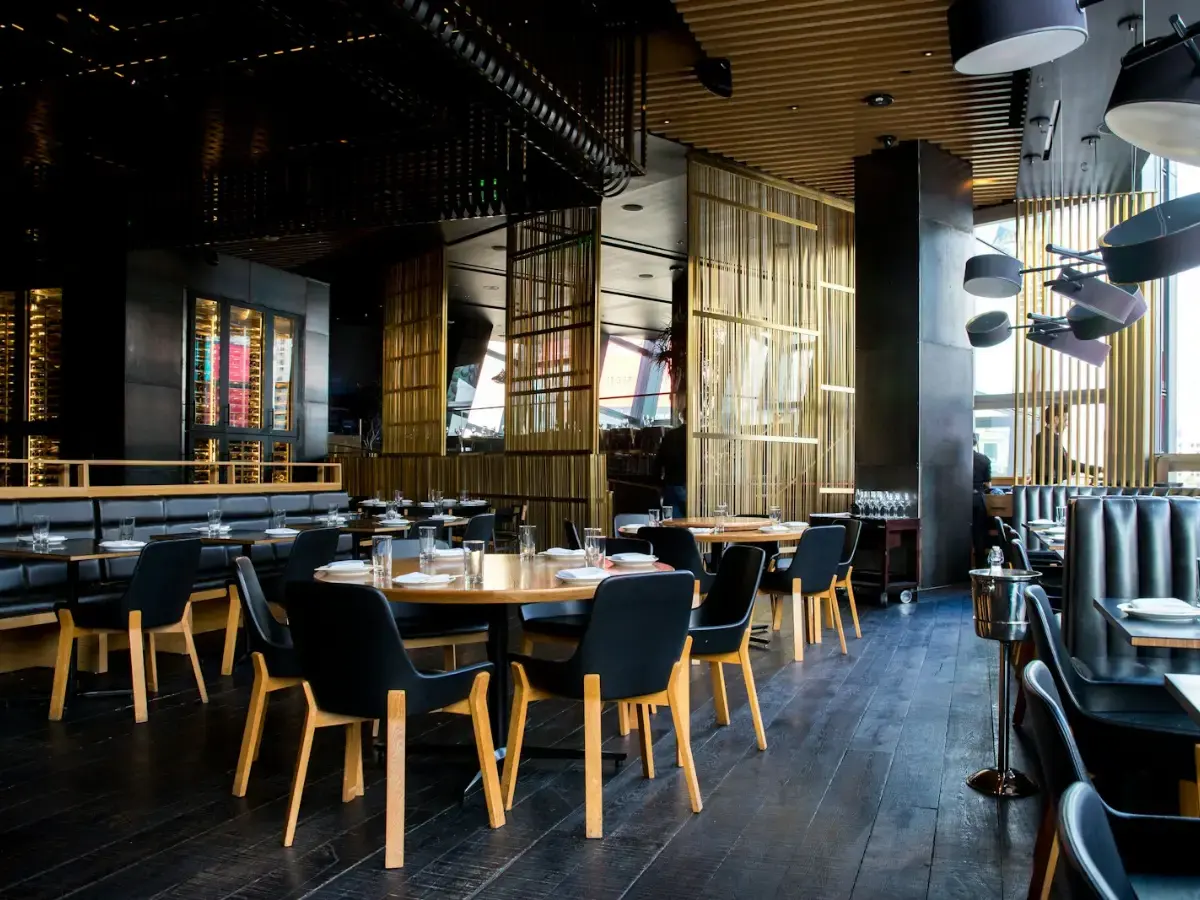
Pre-laminated particle board — usually shortened to "prelam" — is one of the most widely used boards in factory-made furniture. It is a particle board that comes with a decorative melamine laminate already applied to both faces at the factory, so it can go straight from the stack to the panel saw.
How it is made
The core is particle board: wood particles bonded with resin and pressed into a sheet. A decorative paper impregnated with melamine resin is then pressed onto each face under heat, fusing it to the board. The result is a finished surface in a solid colour, wood grain, stone or pattern, with no separate lamination or polishing step.
Where prelam saves time
- No separate lamination: no glue spreading, pressing or curing time for each panel.
- Consistent finish: every sheet in a décor matches, which matters across large orders.
- Easy to clean: melamine surfaces wipe down easily and suit offices, retail and hospitality furniture.
- Faster production: cut, edge-band, drill and assemble — well suited to modular and knock-down furniture.
Limits to plan around
| Consideration | What to know | How to handle it |
|---|---|---|
| Moisture | Standard particle board cores can swell if water reaches the edges | Keep out of wet zones; use HMR or HDHMR there |
| Edges | Cut edges are raw particle board | Edge-band every edge, ideally by machine |
| Screw holding | Generally lower than plywood or high-density boards, especially at edges | Use cam-lock or confirmat fittings and dowels designed for particle board |
| Re-fixing | Holes loosen if screws are removed repeatedly | Plan assembly once; avoid over-tightening |
| Chipping | Laminate faces can chip during cutting | Use a scoring blade and sharp tooling |
Prelam or plain board with site lamination?
The alternative to prelam is a plain board — plywood, MDF, HDHMR or HMR — laminated in the workshop or on site with a separate decorative laminate. That route gives a far wider choice of laminate thicknesses, textures and finishes, and a stronger or more moisture-resistant core where it is needed. Prelam wins on speed, consistency and cost of labour for straightforward, repeatable furniture. Many projects use both: prelam for wardrobe interiors and office storage, laminated moisture-resistant board for kitchens and feature shutters.
Choosing thickness
- 9 mm and 11 mm: backs, drawer bottoms, light dividers.
- 17 mm: the usual choice for carcasses, shelves and shutters.
- 25 mm: tabletops, desks, reception counters and thick feature shelves.
Choosing a décor
Décors fall broadly into solid colours, wood grains and textures. Solid whites and greys such as 1103 Frosty White and 1104 Silver Grey are common for wardrobe interiors and offices. Wood grains like 3018 Mangfall Beech and 3009 Classic Planked Walnut give a furniture-like look; textures such as 1142 Pebble Beach suit feature pieces and reception desks.
Browse, search and shortlist décors in the Finish Explorer, then send the shortlist on WhatsApp for availability.
Handling, storage and cutting
Prelam faces are finished surfaces from the moment they arrive, so treat them as such. Store sheets flat on battens under cover, never on their edges against a damp wall. Carry them face to face, lift rather than slide one sheet over another, and keep a protective sheet on the top of the stack. On the saw, a scoring blade and a sharp main blade reduce chipping on the underside; plan cuts so that any small chip falls on an edge that will be banded.
Browse the pre-laminated board range and every finish on the finishes page. Wardrobes and office furniture are typical uses.
Prelam décors in the Ananta catalogue
 1103
 Prelam Boards
Action TESA Prelam Particle Board 1103 – Frosty White
- Key feature: Ready decorative finish
- Key feature: No separate lamination
- Key feature: Scratch & wear resistant
For Wardrobes, Office furniture, Modular kitchens
 1104Prelam Boards
Action TESA Prelam Particle Board 1104 – Silver Grey
- Key feature: Ready decorative finish
- Key feature: No separate lamination
- Key feature: Scratch & wear resistant
For Office interiors, Wardrobes, Commercial furniture
 3018Prelam Boards
Action TESA Prelam Particle Board 3018 – Mangfall Beech
- Key feature: Ready decorative finish
- Key feature: No separate lamination
- Key feature: Scratch & wear resistant
For Study tables, Workstations, Office interiors
 1142Prelam Boards
Action TESA Prelam Particle Board 1142 – Pebble Beach
- Key feature: Ready decorative finish
- Key feature: No separate lamination
- Key feature: Scratch & wear resistant
For Feature furniture, Reception desks, Designer interiors